
Teeth Whitening Franklin Park NJ — Gentle, Expert Options for a Brighter Smile
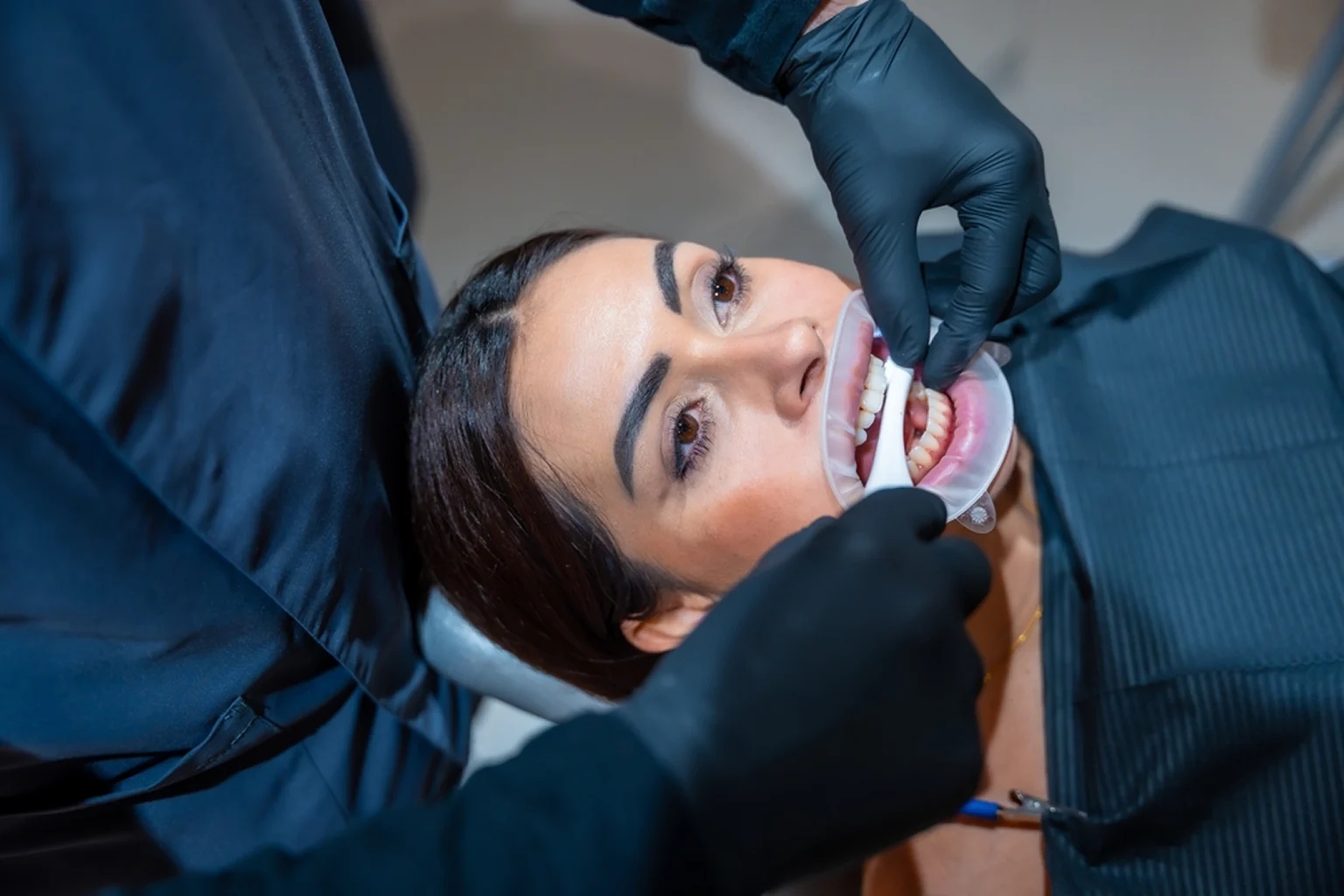
You want a brighter smile that looks natural and fits your lifestyle in Franklin Park, NJ. Professional teeth whitening can lighten stains safely and predictably, whether you choose an in-office boost or a customized at-home plan from a local dentist.
They explain how modern whitening works, compare in-office and take-home options, and help you weigh sensitivity and long-term care so you can pick what suits your teeth and routine. Expect clear steps for a comfortable consultation and realistic results backed by today’s dental technology.
How Professional Whitening Treatments Work
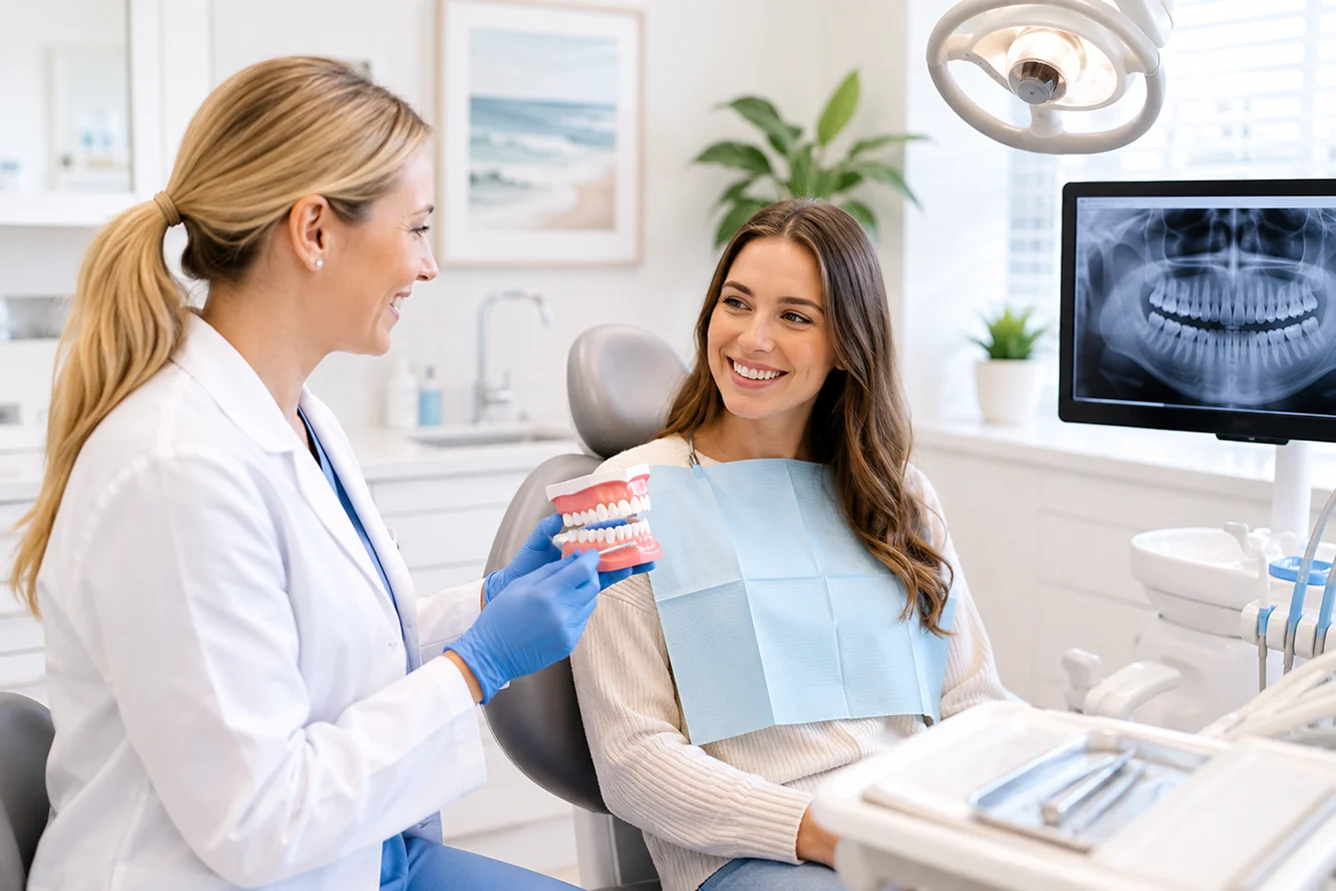
Professional whitening uses dentist-applied bleaching agents and protective techniques to lift stains from enamel and dentin quickly and safely. Treatments balance effective peroxide concentrations, soft-tissue protection, and follow-up care to reduce sensitivity and maintain results.
What to Expect During Your Appointment
The dentist or hygienist begins with a brief oral exam to check for cavities, gum disease, or exposed roots that could increase sensitivity. They document tooth shade and take photos for comparison after treatment.
Next, the team isolates lips and gums with cheek retractors and applies a protective gel or rubber dam. This prevents peroxide from contacting soft tissues and reduces irritation.
The whitening gel, usually 15–40% hydrogen peroxide or carbamide peroxide, is applied in 2–4 short cycles, each lasting 10–20 minutes depending on the product used. Many offices use a curing light or laser for 1–2 cycles to accelerate the reaction, though light is optional.
After each cycle, the clinician rinses and assesses shade and sensitivity. Total chair time typically ranges from 45 to 90 minutes. They finish with fluoride or desensitizing varnish and give written aftercare instructions.
Benefits of In-Office Whitening
In-office whitening produces faster, more noticeable results than over-the-counter kits, often lightening teeth by 6–10 shades in a single visit. This makes it ideal for special events or patients seeking immediate change.
Administering peroxide at higher concentrations under professional supervision improves effectiveness while minimizing gum exposure. Clinicians tailor the protocol for restorations, enamel wear, or previous whitening history.
Dental offices monitor and manage sensitivity with topical agents and adjusted exposure times. They also document baseline shades and provide maintenance strategies, including take-home trays or touch-up sessions, to prolong outcomes.
Common Questions About Safety
Patients often ask whether whitening damages enamel. Clinical studies show that professionally supervised peroxide whitening at recommended levels does not significantly weaken enamel. The clinician checks for preexisting issues that could be exacerbated and postpones treatment if needed.
Another frequent concern is sensitivity. Temporary tooth sensitivity occurs in a minority of patients and usually resolves within 48–72 hours. Dentists mitigate this with lower-concentration protocols, potassium nitrate or fluoride desensitizers, and staggered treatment cycles.
People with crowns, veneers, or large fillings should know that whitening affects only natural tooth structure. The dentist will review restoration shade-matching options post-whitening. Pregnant or lactating patients are usually advised to delay cosmetic whitening until after pregnancy as a precaution.
Choosing Between At-Home and In-Office Options
Patients should weigh effectiveness, cost, sensitivity risks, and convenience when choosing a whitening path. Professional options deliver faster, more controlled results; at-home choices offer lower cost and flexibility but may vary in outcome.
Customized Whitening Trays
Customized trays come from a dental office after impressions or digital scans produce molds that match a patient’s teeth precisely. The lab-made or in-office-fabricated trays hold professional-strength peroxide gel against the enamel evenly, which reduces gum irritation and improves uptake.
Treatment typically runs one to two weeks of daily 30–60 minute wear or overnight use if recommended. Dentists adjust peroxide concentration and wear time based on sensitivity and restorations, and they monitor progress with shade guides or photos.
Advantages include predictable shade improvements, protection for gums, and suitability for uneven staining patterns. Patients with crowns, veneers, or deep intrinsic stains often get better results with trays paired with professional supervision.
Over-the-Counter Products: Pros and Cons
Over-the-counter (OTC) choices include strips, paint-on gels, whitening toothpaste, and trays sold at stores. Strips and paints usually contain lower peroxide (around 3–10%), so they work slower and may not reach posterior teeth as evenly.
OTC pros: lower upfront cost, easy purchase, and convenience for minor surface stains from coffee or smoking. Cons: increased risk of uneven whitening, more gum irritation if fit is poor, and limited effectiveness on intrinsic discoloration or restorations.
Patients should compare active ingredient percentages, application time, and product fit. If tooth sensitivity or uneven results appear after two weeks, stop use and consult a dentist to avoid enamel damage or unnecessary spending.
Longevity of Results
Longevity depends on starting shade, lifestyle habits, and maintenance routines. Smoking, red wine, coffee, and acidic foods speed relapse; avoiding or moderating these extends results.
Touch-up options include occasional OTC trays, in-office booster sessions, or using customized trays with a whitening gel refill every few months. Good oral hygiene and regular dental cleanings preserve results; polishing removes surface stains that would otherwise accumulate quickly.
Results for professional treatments often last 6–24 months depending on habits. OTC results typically fade sooner, often within 3–12 months, making maintenance planning essential for sustained brightness.
Is Teeth Whitening Right for You?
Teeth whitening can lift surface and deep stains, but it fits different people in different ways. Consider tooth shade, dental work, sensitivity, and oral health to decide whether professional or at-home options make sense.
Ideal Candidates
Ideal candidates are adults with natural tooth enamel who have yellowish or brown stains from coffee, tea, tobacco, or aging. They usually have good oral health: no active cavities, healthy gums, and no untreated periodontal disease.
Patients with restorations (crowns, veneers, large fillings) should know whitening won’t change those materials, so matching may require replacing restorations after whitening. Those seeking modest to moderate lightening—two to eight shades—often get predictable results from in-office or supervised take-home kits.
People who tolerate mild, temporary sensitivity and follow post-whitening care (avoiding staining foods for 48–72 hours) typically see the best outcomes. A dental exam with shade mapping and a discussion of realistic expectations helps tailor treatment to individual needs.
Who Should Avoid Whitening
Whitening is not recommended for children whose teeth and pulp chambers are still developing; the ADA suggests caution under age 16. Pregnant or breastfeeding patients should postpone whitening until after pregnancy and lactation due to limited safety data.
Anyone with active tooth decay, exposed roots, severe gum recession, or untreated periodontal disease should treat those conditions first; whitening agents can exacerbate sensitivity and pain. Patients with many restorations on visible teeth, intrinsic stains from tetracycline, or discoloration from trauma may not achieve satisfactory results and should consider veneers or bonding instead.
If a patient has extreme sensitivity, a history of allergic reactions to bleaching agents, or unrealistic expectations, the dental team will recommend alternative cosmetic or restorative options and a tailored plan.
Caring for Your Smile After Whitening
Most patients experience brighter teeth for months but need simple routine changes to protect results. Limiting certain foods and keeping consistent oral habits extend whitening effects and reduce sensitivity.
Foods and Drinks to Limit
Avoid beverages and foods that stain enamel for the first 48–72 hours when pores in the tooth are more receptive to pigments. Coffee, black tea, red wine, cola, soy sauce, and tomato-based sauces rank highest for re-staining; switch to water, milk, or clear herbal teas during this window.
Use a straw for iced coffee, iced tea, and soda to reduce contact with front teeth. Rinse with water after meals that contain staining agents.
Acidic foods like citrus, pickles, and vinegar-based dressings can weaken enamel temporarily and increase sensitivity post-whitening. Wait at least one hour after eating acidic foods before brushing to avoid enamel abrasion.
Consider avoiding highly pigmented berries (blueberries, blackberries) and curry for several days. If these foods are unavoidable, gently rinse and brush with a soft-bristled brush afterward.
Maintaining Results with Good Habits
Brush twice daily with a low-abrasion whitening toothpaste and floss once daily to remove surface stains and plaque. Use a soft-bristled toothbrush to protect enamel and any areas of increased sensitivity.
Schedule professional cleanings every six months to remove microscopic stains that at-home care misses. For patients prone to staining, ask the dentist about a touch-up gel or custom take-home trays to use every 3–6 months.
Limit smoking and nicotine products, which rapidly reverse whitening results. Drink staining beverages with meals rather than sipping all day to minimize exposure.
If sensitivity develops, use a desensitizing toothpaste containing potassium nitrate and consult the dental office about topical treatments. Regular check-ups help tailor maintenance to individual habits and keep the smile bright.
If they have questions or want personalized aftercare, the dental team encourages scheduling a follow-up visit.
Addressing Tooth Sensitivity and Concerns
Patients can expect clear guidance on managing temporary sensitivity and options that make whitening safe for sensitive teeth. The focus stays on practical steps, product choices, and when to seek professional care to protect enamel and comfort.
Managing Temporary Sensitivity
Temporary sensitivity often follows whitening because peroxide temporarily increases fluid movement in dentinal tubules. Use a desensitizing toothpaste containing 5% potassium nitrate or stannous fluoride twice daily; relief typically begins within 1–2 weeks. Applying a fluoride varnish in-office can reduce sensitivity immediately and strengthen enamel.
Reduce exposure to hot, cold, or acidic foods for 48–72 hours after whitening appointments. If sensitivity occurs during at-home treatment, shorten daily tray time by half or take a 48-hour break before resuming at a lower frequency. Over-the-counter pain relievers such as ibuprofen help for short-term discomfort, but persistent pain beyond a week warrants a dental evaluation for cavities or gum recession.
Keep a symptom log: record onset, triggers, and severity on a 0–10 scale. This helps the dentist determine whether to modify the whitening protocol, apply in-office desensitizing agents, or recommend alternative treatments.
Safe Whitening for Sensitive Teeth
Choose products with lower peroxide concentrations and slow-release formulas when sensitivity is a concern. Professional take-home trays with 10–16% carbamide peroxide, used under dental supervision, often produce fewer side effects than higher-concentration in-office gels. Custom-fitted trays also limit gel contact with gums, reducing irritation.
Consider non-peroxide options like whitening toothpastes with blue covarine for immediate optical brightening without altering tooth structure. For patients with exposed roots or receding gums, dentists may recommend restorative treatments (bonding or crowns) before whitening to shield sensitive areas.
Schedule a pre-whitening exam to check for active decay, cracked teeth, or gum disease. If those issues exist, the clinician addresses them first. Encourage patients to ask about staged whitening—shorter sessions spaced over weeks—to maximize comfort and maintain safe, lasting results.
Modern Technologies Used by Local Dentists
Local practices use targeted light-activated systems, custom take-home trays with medical-grade peroxide, and scanning technology that maps teeth for precise treatment. Comfort features and safety protocols are standard to reduce sensitivity and protect gums.
Advances in Whitening Systems
Dentists in Franklin Park commonly use LED-accelerated in-office whitening with 35–40% hydrogen peroxide gels applied under gingival barriers. Treatments often finish in one 45–60 minute session and show measurable shade improvement immediately.
For patients preferring gradual results, clinicians provide custom-fitted trays made from intraoral scans. These trays hold 10–22% carbamide peroxide gels for nightly use over 1–2 weeks, allowing controlled whitening with lower sensitivity risk.
Many offices combine desensitizing agents and fluoride varnish before and after procedures to minimize discomfort. They also monitor enamel health and adjust concentration based on restorations or existing tooth sensitivity. Pricing, expected shade change, and recommended maintenance are discussed during consults so patients know what to expect.
What Sets Local Practices Apart
Franklin Park dentists emphasize individualized treatment plans informed by digital imaging and shade-matching devices. These tools let clinicians document baseline color, predict realistic outcomes, and tailor peroxide concentration to the patient’s dentition and restorations.
Offices often offer sedation options or topical anesthetics for anxious patients, plus post-treatment take-home kits that include lower-strength gels and sensitivity-relief toothpaste. They coordinate whitening with restorative work—waiting or matching crowns, veneers, and composite fillings—to ensure uniform color.
Many clinics provide clear consent forms and follow-up checks within 1–2 weeks to assess results and manage any sensitivity. This combination of technology, patient comfort measures, and treatment coordination reduces surprises and helps patients achieve lasting, safe whitening outcomes.
Setting Up Your Teeth Whitening Consultation
Patients should call or use an office website to request a consultation, noting any time preferences and whether they are new to the practice. Front-desk staff will confirm insurance details and provide paperwork to complete before the visit.
During scheduling, the clinic typically asks about dental history, current medications, and sensitivity issues so the dentist can tailor the approach. They may also request photos or X-rays if available to assess existing restorations or enamel concerns.
Expect a brief pre-appointment checklist sent by email or text with directions, parking info, and COVID or safety updates if applicable. Completing medical history and consent forms ahead of time speeds the visit and helps the clinician focus on treatment options.
At the consultation, the dentist or hygienist evaluates tooth shade, gum health, and restorations, then explains choices: in-office whitening, take-home trays, or combined protocols. They will discuss anticipated results, possible side effects like transient sensitivity, and maintenance tips to prolong whitening.
Patients should prepare questions about costs, treatment duration, and post-whitening care; a simple list helps cover priorities during a short visit. If cosmetic goals are specific, bringing a photo of the desired shade can clarify expectations.
Many offices offer pricing breakdowns and financing options during scheduling, and they will book the whitening appointment if the patient chooses to proceed. Encouraging gentle communication, staff invite patients to call with questions or to reschedule if needed.
Frequently Asked Questions
This section answers common concerns about whitening in Franklin Park, NJ, including expected longevity, sensitivity management, treatment types, effects on restorations, shade changes, and post-care rules. Each answer gives practical steps patients can expect and actions they can take for the best results.
How long do professional whitening results typically last, and what can I do to keep my smile bright?
Professional whitening in-office often lasts 6 to 24 months, depending on eating and oral habits. Lifestyle factors like smoking, red wine, coffee, and tea shorten results.
To prolong results, he or she should use touch-up trays or at-home gel every 6–12 months as recommended by the dentist. Regular cleanings and good daily hygiene also preserve the shade.
Is teeth whitening safe for sensitive teeth, and what comfort options are available during treatment?
Whitening can increase sensitivity for a few hours to a few days in some patients, especially those with preexisting sensitivity. The sensitivity usually resolves and doesn’t indicate permanent damage.
Dentists offer reduced-concentration gels, shorter application times, desensitizing agents, and prescription-strength fluoride to manage discomfort. They may recommend professional in-office whitening with chairside desensitizing for greater control.
What’s the difference between in-office whitening and take-home trays, and how do I choose the right one?
In-office whitening uses stronger peroxide and gives noticeable results in one appointment, typically 60–90 minutes. Take-home trays use lower-concentration gel applied over days or weeks for gradual whitening.
Choice depends on goals and sensitivity: patients who want fast, dramatic change often pick in-office treatment; those who prefer gradual improvement or need milder treatment opt for custom take-home trays. A consultation with the dentist clarifies which option fits his or her oral health and schedule.
Will whitening work on crowns, veneers, fillings, or other dental work I already have?
Whitening affects natural tooth enamel only and will not change the color of crowns, veneers, composite fillings, or ceramic restorations. Existing restorations may look mismatched if the natural teeth are lightened.
If restorations need color matching after whitening, the dentist can replace or adjust them to match the new shade. Patients should discuss current dental work before treatment to plan cohesive results.
How many shades whiter can I expect my teeth to get, and how quickly will I see results?
In-office whitening commonly lightens teeth by 4–8 shades in one visit, while take-home trays typically produce 2–6 shades over one to two weeks. Individual results vary with initial stain type and tooth structure.
Brown and yellow stains respond better than gray or intrinsic discoloration. The dentist will set realistic expectations during the consultation.
What should I avoid eating or drinking after whitening, and for how long to prevent new stains?
Avoid dark-colored foods and drinks—coffee, tea, red wine, cola, soy sauce, berries—and tobacco for at least 48 hours after whitening for best protection. Acidic and highly pigmented items are the main culprits for re-staining.
Using a straw for dark beverages, rinsing with water after eating, and sticking to a “white diet” (e.g., chicken, rice, yogurt) for two days helps maintain the shade. Regular touch-ups and good oral hygiene further reduce staining over time.