
Invisalign Cost Franklin Park NJ: Affordable Options, What to Expect, and Financing Tips
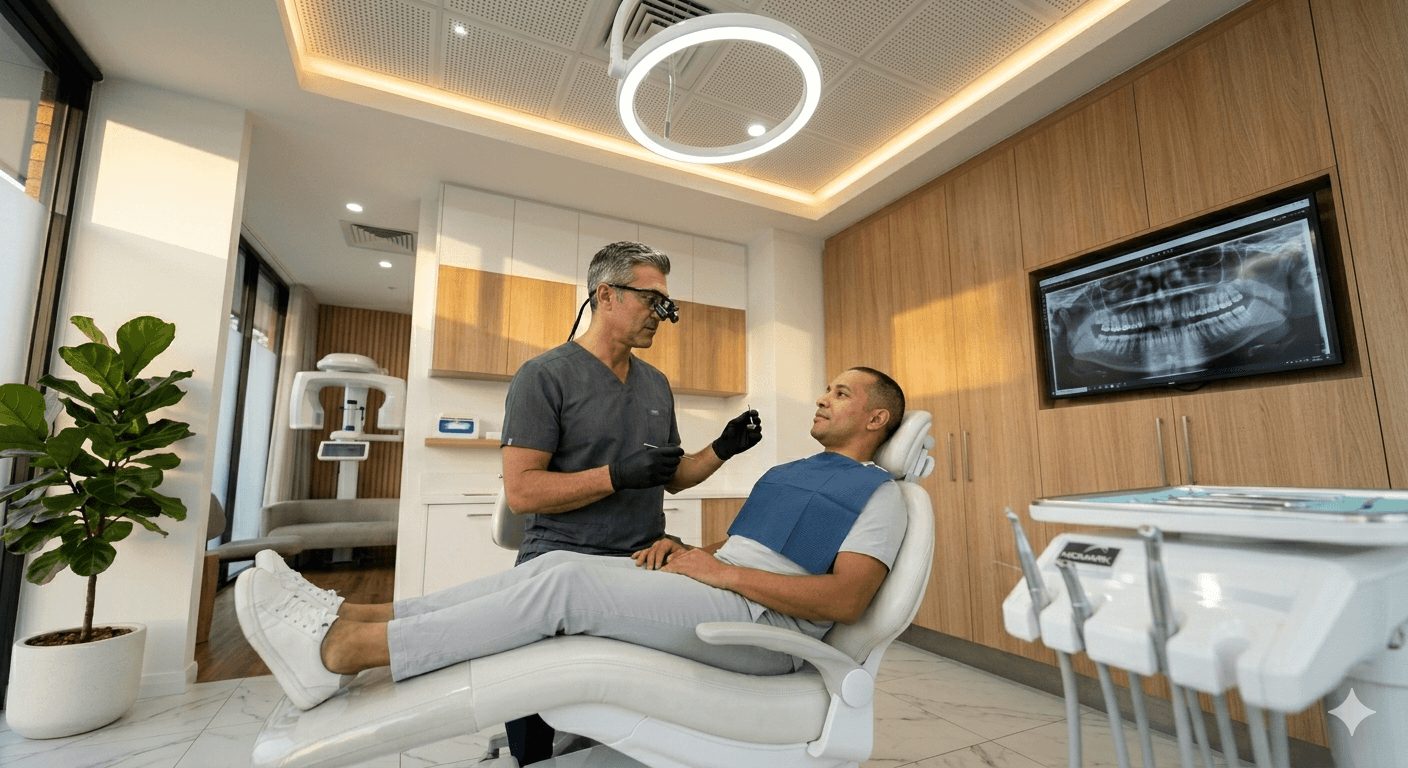
Thinking about Invisalign cost in Franklin Park, NJ? They can expect a range rather than a single price: most cases run between moderate to higher tiers depending on complexity, with insurance and payment plans often reducing out‑of‑pocket expenses. Patients typically see Invisalign prices from several thousand dollars up to figures similar to traditional braces, but exact cost depends on treatment length, tooth movement needed, and any necessary adjunctive care.
A friendly local dentist will explain what influences that number — diagnostic records, number of aligners, refinements, and follow‑up visits — and help compare insurance coverage and financing options. The article breaks down what’s included in the fee, how to compare alternatives, and practical tips to maximize comfort and value so people can make an informed next step toward a straighter smile.
Understanding Invisalign Treatment
Invisalign uses a series of clear, removable aligners to move teeth gradually, offering discreet treatment, fewer office visits, and predictable digital planning. Patients should expect customized trays, regular progress checks, and a commitment to wearing aligners about 20–22 hours daily.
What Makes Invisalign Unique
Invisalign employs custom 3D treatment planning to design a sequence of clear thermoplastic aligners that fit snugly over teeth. Each aligner makes small, precise tooth movements; patients switch to the next tray every 1–2 weeks. The system’s predictability comes from the ClinCheck digital model that shows staged tooth movements and final goals before treatment begins.
The aligners are nearly transparent, which reduces visibility compared with metal braces. They’re removable for eating and brushing, improving oral hygiene and reducing food restrictions. Attachments — tooth-colored bumps bonded to select teeth — and rubber elastics can be used when needed to achieve certain movements.
Who Is a Candidate for Invisalign
Adults and teenagers with mild to moderate crowding, spacing, overbite, underbite, or crossbite often qualify for Invisalign. Complex cases involving significant jaw discrepancies or very large tooth movements may require traditional braces or combined orthodontic and surgical approaches. A clinical exam, X-rays, and a digital scan determine suitability.
Patients must commit to wearing aligners 20–22 hours daily and maintain good oral hygiene. Broken trays, missed wear time, or poor compliance can extend treatment. Medical conditions, orthodontic history, and restorations like bridges are evaluated because they can affect appliance fit and movement.
Typical Treatment Timeline
Initial consultation includes exam, X-rays, and a digital scan; the clinician creates a ClinCheck plan within 1–3 weeks. After approval, aligners are fabricated and delivered; most patients change trays every 7–14 days. Total active treatment commonly ranges from 6 to 18 months depending on case complexity.
Follow-up visits typically occur every 6–10 weeks to monitor progress and adjust attachments or add refinements. After active alignment, patients receive retainers — often clear removable retainers — to maintain results. Retention schedules vary, but nightly wear is commonly recommended long-term.
Factors That Influence Your Invisalign Price
Several concrete elements determine the out‑of‑pocket cost for Invisalign in Franklin Park, NJ: how severe the tooth movement needs to be, how long treatment will run, and the experience level of the dentist or orthodontist providing care. Each factor affects lab fees, number of aligners, appointment frequency, and ancillary services like refinements or attachments.
Complexity of Alignment Issues
The greater the malocclusion, the higher the cost. Simple spacing or mild crowding may require a dozen or fewer aligners and minimal chair time, which keeps lab and clinical fees lower. Moderate cases involving rotations, midline shifts, or bite adjustments typically need more aligners, attachments, and occasional auxiliary appliances, increasing the total price.
Severe problems—large overbites, underbites, crossbites, or significant arch expansion—often require phased treatment, surgical consultation, or combined orthodontic approaches. These cases raise costs because they demand specialized planning, more frequent appointments, possible refinements, and longer lab time to fabricate precise aligner sequences.
Insurance and financing can offset complexity-related costs. Many dental plans cover a portion of orthodontic treatment; Franklin Park providers often offer payment plans or third‑party financing to spread fees over months. Patients should request a detailed treatment estimate that lists aligner count, expected refinements, and any adjunctive procedures.
Duration of Your Treatment Plan
Treatment length directly correlates with cost because longer plans use more aligners and more clinical visits. Typical Invisalign cases run 6–18 months; each additional month usually adds to material costs and periodic review fees. Faster plans with accelerated techniques may lower time but can increase upfront costs.
Frequent monitoring visits for adjustments, scans, or refinements also add clinical fees. Providers who include a set number of follow‑ups in the package keep costs predictable, while pay‑per‑visit models increase the final bill. Unplanned refinements after the initial sequence lengthen treatment and raise expense, so thorough initial planning helps control price.
Patient compliance affects duration and cost. Inconsistent wear can prolong treatment and require extra aligners. Franklin Park clinicians track progress and often outline a compliance policy in the treatment contract; following the prescribed wear schedule typically keeps costs closer to the initial estimate.
Level of Provider Experience
A provider’s training and track record influence fees. Orthodontists and dentists with extensive Invisalign experience or advanced credentials often charge higher consultation and treatment planning fees due to specialized expertise. Their cases may run more efficiently, however, potentially reducing the need for multiple refinements.
Newer providers or general dentists offering Invisalign at lower rates might still deliver good outcomes for simple cases, but complex treatments usually benefit from an experienced clinician. Experience matters for managing tooth movement sequencing, attachment placement, and recognizing when auxiliaries are necessary.
Clinic overhead and location also affect pricing. Practices in Franklin Park with modern 3D scanners, in‑office labs, or extended support services often reflect those costs in their fees. Prospective patients should compare itemized estimates, ask about included services (scans, retainers, follow‑ups), and consider provider experience alongside price when deciding.
Average Invisalign Pricing in Franklin Park
In Franklin Park, Invisalign treatment typically falls within a specific local range influenced by provider experience, treatment complexity, and included services. Patients can expect itemized costs for consultations, aligners, attachments, and follow-up visits.
Comparing Local Costs to National Averages
Franklin Park providers commonly price full Invisalign treatments between $3,500 and $7,000. Simple cases (minor crowding or spacing) often land near the lower end, while comprehensive adult cases with bite correction tend toward the upper end. Many local offices include initial scans, a set number of post-treatment retainers, and routine adjustment visits in their bundled fee; confirm which services are bundled when comparing quotes.
National averages for full-case Invisalign cluster around $4,000–$6,000, so Franklin Park’s range sits slightly higher at the top end due to regional demand and practice overhead. Clear aligner alternatives like Invisalign Lite or Express cost less—often $2,000–$3,500—but suit only mild tooth movement. Patients should compare case scope, provider experience, and included follow-ups rather than price alone.
How Geography Affects Pricing
Franklin Park lies within central New Jersey’s suburban market, where overhead—rent, staffing, and local lab/shipping costs—raises treatment prices compared with rural areas. Practices near major highways or closer to larger towns often charge more because of higher facility costs and greater demand for cosmetic dentistry.
Access to specialists also matters: orthodontists and prosthodontists in the area typically charge more than general dentists offering Invisalign, reflecting additional training and complex-case expertise. Insurance coverage and local promotional partnerships can offset cost differences; patients should ask about in-office financing, third-party payment plans, and participation in dental PPOs when estimating out-of-pocket expenses.
Insurance Coverage and Payment Options
Patients can often offset Invisalign costs through dental insurance, payment plans, or tax-advantaged accounts. Knowing plan limits, pre-authorization steps, and typical out-of-pocket ranges helps set realistic expectations before treatment begins.
Dental Insurance Benefits
Many employer and individual dental plans provide partial coverage for orthodontic treatment; coverage for clear aligners like Invisalign varies by carrier. Some plans list “orthodontic benefits” with lifetime maximums—commonly $1,000–$3,000—rather than full-cost coverage. Patients should request a pre-treatment estimate (predetermination) from their Franklin Park orthodontist so the insurer will confirm covered amounts and patient responsibility in writing.
Insurance often requires a diagnostic code and treatment plan submitted by the provider. Co-insurance rates, waiting periods, and age limits can affect eligibility. If the plan covers “orthodontics” but not specifically Invisalign, insurers may still reimburse a portion comparable to metal braces. Patients should verify network participation and ask the office to file claims on their behalf to streamline reimbursement.
Flexible Payment Plans
Dental offices near Franklin Park commonly offer in-house financing or third-party monthly plans to spread costs. Options include interest-free plans for 6–12 months or low-interest financing for longer terms through providers like CareCredit or LendingClub. Monthly payments usually align with treatment length; typical outlays range from $100–$300 per month depending on total cost and down payment.
Patients should compare total interest, origination fees, and early-payoff penalties. A clear contract should list the start date, monthly amount, and what happens if additional aligners are needed. Many practices link payments to treatment milestones (e.g., delivery of aligners or monthly checkups), so patients should confirm the billing schedule before signing.
Using Health Savings Accounts (HSAs) or FSAs
HSAs and FSAs allow patients to use pre-tax dollars for medically necessary orthodontic treatments, including Invisalign when deemed a qualified dental expense. Patients must check plan rules—FSA funds generally must be used within the plan year, while HSA balances roll over and remain with the account holder. Save documentation: itemized receipts, the provider’s diagnosis, and an explanation of benefits to substantiate the expense.
To maximize tax-advantaged funds, patients can front-load FSA contributions at the start of the plan year if allowed, or coordinate HSA contributions with anticipated treatment dates. If unsure whether Invisalign qualifies, ask the insurer or plan administrator for guidance and request a letter of medical necessity from the orthodontist when appropriate.
What’s Included in the Invisalign Fee
This fee generally covers the clinical work, the aligner sets, and the devices needed to keep teeth aligned after treatment. It also includes the digital planning and ongoing monitoring that guide tooth movement from start to finish.
Consultations and Digital Scans
The initial consult usually includes a clinical exam, a review of medical/dental history, and a discussion of treatment goals. A trained clinician performs a digital intraoral scan (not physical impressions) to create a 3D model of the patient’s teeth.
The scan gets uploaded to the Invisalign lab, where the clinician and technicians map the step-by-step tooth movements with ClinCheck software. That digital plan defines the number of aligner trays and the estimated treatment length.
Some practices include follow-up visualization sessions to review the ClinCheck with the patient and make minor plan adjustments before manufacturing. X-rays or photos may be taken at this stage; if needed, they are usually part of the quoted fee.
Aligner Trays and Adjustments
The core of the fee covers the set of custom clear aligners manufactured to your ClinCheck plan. Patients typically receive new trays every one to two weeks; the total number depends on case complexity.
Regular progress appointments are included, where the clinician checks fit, monitors movement, and issues additional trays or refinements when necessary. Small attachments (tooth-colored bumps bonded to teeth) and interproximal reductions (minor enamel shaping) are often part of treatment and are usually bundled into the fee.
If refinements are required after the initial series, many plans include at least one round of additional aligners; extensive refinements or missed appointments may incur extra charges depending on the practice.
Post-Treatment Retainers
Once active movement ends, the fee commonly covers at least one set of retainers to hold the new tooth positions. Retainers can be clear plastic similar to aligners or fixed bonded wires, and the clinician will recommend the best option.
Retention protocols vary: full-time wear initially, then night-only wear indefinitely is common. Some practices include a follow-up retention check(s) within the fee for the first year; lost or damaged retainers outside that window typically cost extra.
Patients should confirm how many retainers and how many retention visits are included before starting treatment to avoid unexpected expenses.
Comparing Invisalign to Alternative Treatments
This section highlights practical differences in treatment time, cost, comfort, and expected results so readers can decide which option suits their priorities.
Traditional Braces Versus Invisalign
Traditional metal or ceramic braces often handle complex tooth movements — like large rotations or vertical corrections — more predictably than Invisalign. Braces use brackets and wires anchored to each tooth, so they can apply continuous, multi-directional force without relying on patient compliance.
Invisalign uses a series of clear, removable aligners that work well for mild to moderate crowding, spacing, and bite adjustments. Treatment time for Invisalign in Franklin Park typically ranges from 6 to 18 months depending on case complexity; traditional braces commonly span 12 to 24 months for comparable issues.
Cost in Franklin Park: traditional metal braces often run lower upfront (commonly $3,000–$6,000), while Invisalign tends to be slightly higher ($4,000–$7,500), though prices vary by provider and treatment length. Comfort and appearance differ: many patients prefer Invisalign for discretion and fewer soft-tissue irritations, while braces require periodic wire adjustments and can cause mouth sores.
At-Home Aligner Kits Versus In-Office Care
At-home aligner kits offer lower prices (often $1,000–$2,000) and convenience through remote monitoring, but they limit clinical oversight and are best for very mild alignment issues. Companies typically send impression kits or scan instructions; a technician, not a licensed orthodontist in person, supervises most treatment plans.
In-office care with Invisalign or braces provides in-person examinations, x-rays, and the ability to address bite problems, tooth movement complications, and attachments or refinements. Providers in Franklin Park can perform orthodontic auxiliaries (e.g., interproximal reduction, fixed attachments, elastics) that remote kits cannot.
Risk and outcome predictability favor in-office treatment for moderate to complex cases. At-home kits may work for simple cosmetic straightening, but they carry higher risk of needing corrective in-office treatment later, which increases total cost and time.
Maximizing Value and Comfort During Treatment
Patients can improve comfort, speed up progress, and protect their investment by following practical daily habits, communicating with their provider, and using simple accessories that ease wear. Small routines and timely adjustments often prevent bigger issues and reduce unnecessary costs.
Tips for a Smooth Invisalign Experience
They should wear aligners 20–22 hours daily to keep treatment on schedule; removing them for meals and oral care only prevents staining and decay. Use a daily alarm or calendar block to track wear time and set reminders for aligner changes.
They benefit from using a soft aligner removal tool or floss loop to reduce gum stress when taking trays out. If trays feel tight after switching, they can chew sugar-free gum or perform five minutes of “bite and hold” chewing to seat trays faster.
They must report persistent pain, broken attachments, or lost aligners to their Franklin Park provider within 24–48 hours. Quick provider contact avoids delays and often allows same-week fixes that keep costs down.
Caring for Your Aligners
Rinse aligners with lukewarm water after removal to stop saliva buildup and reduce odors. Avoid hot water or abrasive toothpaste that can warp or scratch the plastic; use a soft-bristled brush and clear, unscented soap for light cleaning.
Use the manufacturer’s cleaning crystals or a 1:1 vinegar-water soak twice weekly for deeper cleaning, then rinse thoroughly. Store aligners in their case when not worn to prevent loss and pet damage; keep a spare case in a bag or car.
Maintain consistent oral hygiene: brush after each meal and floss nightly to avoid trapped food and reduce risk of cavities. If staining or persistent odor occurs, bring aligners to the dental visit for inspection and professional cleaning options.
Ensuring Long-Term Results
Wearing retainers as instructed after treatment preserves alignment and protects the investment. They should follow the provider’s retainer schedule—often full-time for the first few months, then nightly indefinitely—to prevent teeth from shifting back.
Attend scheduled post-treatment checkups at the Franklin Park office to monitor stability and address minor relapse early. If small movement appears, night-time plastic retainers or a brief round of aligner “refinement” can correct it without major cost.
Keep records of treatment, payments, and warranty details; many practices include one set of retainers or limited refinements—knowing what’s covered helps plan for potential expenses. Encourage patients to ask about long-term retainer options and replacement pricing during the final visits.
Taking the Next Steps Toward a New Smile
Patients should start by scheduling a consultation with a Franklin Park provider who offers Invisalign. The visit typically includes an exam, discussion of goals, and digital scans or X-rays to map treatment precisely.
Costs and payment options often shape decisions, so offices usually review insurance coverage, flexible payment plans, and estimated total fees during the consult. Many practices provide a written treatment plan showing timeline, number of aligners, and projected visits.
They should ask clear questions about experience, expected results, and comfort measures used during treatment. Asking to see before-and-after photos of similar cases helps set realistic expectations.
If a patient decides to proceed, providers commonly create a customized plan and show a digital simulation of the expected outcome. This visual makes it easier to commit and understand each phase of aligner wear.
Practical steps before starting include confirming insurance benefits, arranging financing if needed, and planning for regular follow-ups. Patients should also discuss retention options up front to protect long-term results.
To move forward, contact a local Invisalign-certified dentist or orthodontist for an evaluation. They will answer questions, provide cost details specific to Franklin Park, and help schedule the first appointment.
Frequently Asked Questions
This section answers common cost concerns for clear aligner treatment in Franklin Park, NJ, including what drives price differences, typical out-of-pocket ranges with and without insurance, and how financing or plan levels affect what patients receive.
What factors usually affect the total price of clear aligner treatment in my area?
Location-specific overhead and local dentist or orthodontist fees shape base prices in Franklin Park, NJ. Provider experience, specialist versus general dentist, and the complexity of the bite problem also change costs.
Materials, brand (e.g., Invisalign vs. other aligners), number of aligner sets, in-person visit frequency, and included retainers further adjust the final fee.
About how much do most patients pay for clear aligners if they don’t use insurance?
For mild cosmetic cases, many patients pay between $2,000 and $3,500 out of pocket. Moderate to more complex cases typically range from $3,500 to $6,000 without insurance.
Simple, limited-scope plans or at-home systems can appear cheaper but often exclude in-office monitoring and retainers.
How much can dental insurance typically reduce the out-of-pocket cost for clear aligners?
Dental insurance commonly covers 10%–50% of orthodontic benefits, depending on the plan and lifetime maximums.
Typical employer or individual plans might reduce a $4,000 treatment by $500–$2,000, subject to deductibles and lifetime caps. Patients should confirm whether clear aligners qualify under orthodontic benefits for adults with their specific policy.
Are payment plans or monthly financing options available, and what do they usually look like?
Most Franklin Park providers offer in-office payment plans that split the balance into 6–12 monthly payments with little or no interest.
Third-party medical credit options (e.g., CareCredit) often extend 12–60 month plans; promotional 0% APR plans are common for 6–18 months but require credit approval.
Patients should read the terms for deferred interest and late fees before enrolling.
Is a quote around $3,000 considered a good price, and what might be included at that level?
A $3,000 quote generally indicates treatment for a mild to moderate alignment issue and is reasonable in many local practices.
Typical inclusions at this price point are initial consultation, digital scans or X-rays, a set number of aligners, several in-office visits, and one set of retainers.
Confirm whether follow-up refinements, replacement aligners, and retainers are covered or billed separately.
Is a quote around $5,000 considered normal, and what could make treatment cost more?
A $5,000 quote fits within the normal range for moderate-to-complex cases or for treatment overseen by a specialist orthodontist.
Higher costs come from longer treatment duration, more refinement phases, additional attachments or elastics, frequent in-office adjustments, or specialized appliances.
Advanced technologies, premium brand names, and comprehensive aftercare (extended retainer warranties, whitening, or follow-up visits) can also raise the price.