
Emergency Dentist Franklin Park NJ Helping You Through Dental Urgencies with Care and Comfort

When a dental emergency happens in Franklin Park, NJ, knowing where to turn can make all the difference. An emergency dentist in Franklin Park provides fast, expert care for issues like severe tooth pain, broken teeth, or sudden injuries, helping to relieve pain and prevent further damage.
Emergency dental care is designed to be accessible and responsive, giving patients peace of mind when unexpected problems arise. Local dentists often offer same-day appointments or after-hours services, ensuring help is available when most needed.
Being prepared with information about nearby emergency dental options can save time and stress. Whether it’s a knocked-out tooth or a painful abscess, understanding what to expect helps patients act quickly and confidently toward relief.
What Is An Emergency Dentist?
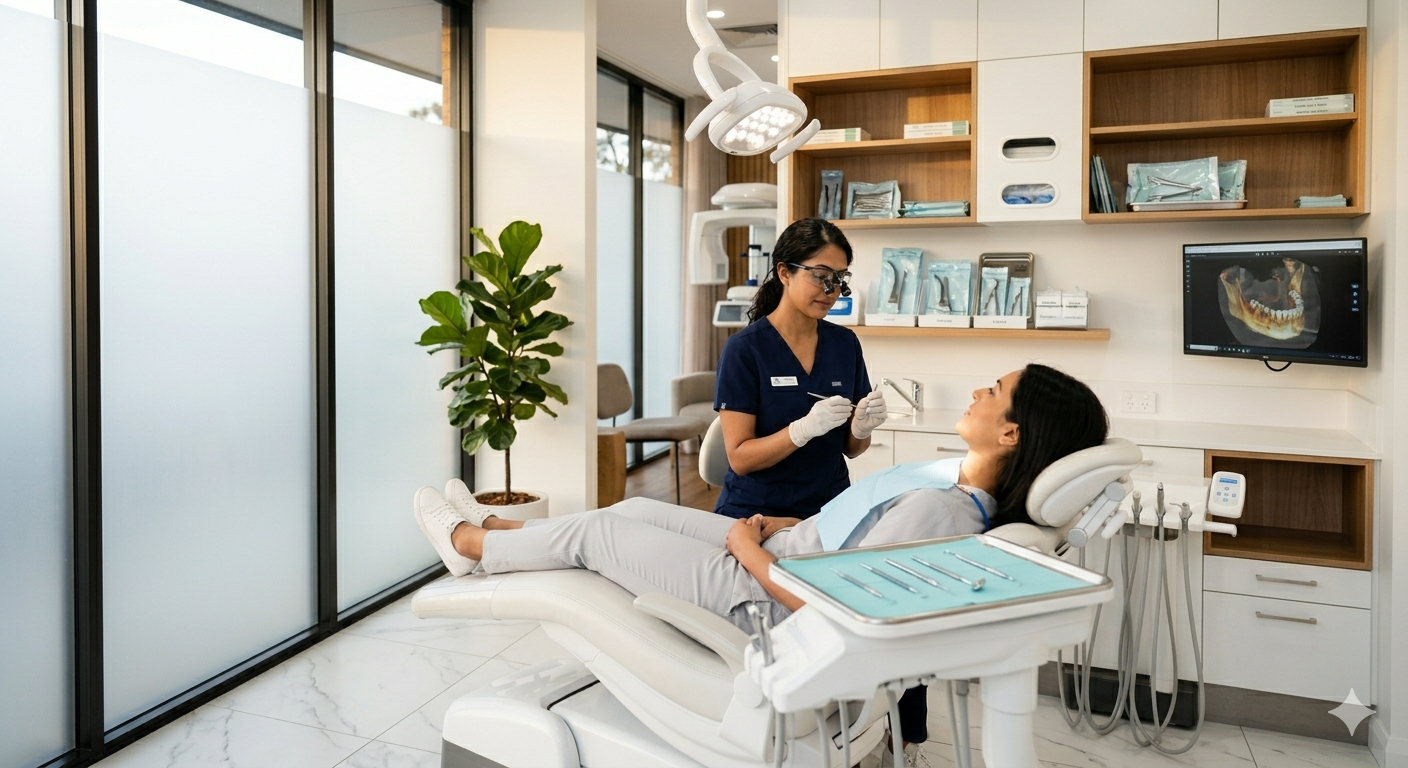
Emergency dentists specialize in urgent dental care that addresses sudden pain, injury, or other critical mouth issues. They provide prompt treatment to prevent complications and ease discomfort. Understanding when and why to see an emergency dentist can protect your oral health effectively.
Defining Dental Emergencies
A dental emergency involves severe pain, trauma, or infection requiring immediate attention. Examples include knocked-out teeth, severe toothaches, broken crowns or fillings, and abscesses. These situations might cause unbearable pain or lead to complications if left untreated.
Not all dental problems qualify as emergencies. Minor chips or mild sensitivity usually wait for regular appointments. Knowing what counts as an emergency helps patients avoid unnecessary panic but ensures swift care when it truly matters.
Difference Between Emergency And Routine Dental Care
Routine dental care focuses on prevention and maintenance, such as cleanings, exams, or non-urgent fillings. Emergency dental care handles unexpected, urgent problems that risk worsening without immediate treatment.
Emergency visits often involve rapid pain relief, infection control, or stabilizing damaged teeth. Routine care is planned, while emergency care is unpredictable and time-sensitive. This difference guides patients toward the right care at the right time.
Who Should Seek Emergency Dental Services
Anyone experiencing sudden, intense tooth pain, bleeding, or trauma should seek emergency dental care. Signs include swelling around the face or gums, difficulty swallowing or breathing, or a knocked-out tooth.
Patients with underlying health conditions, like diabetes or heart issues, should act quickly to avoid infection complications. Emergency dentists work to address pain and prevent permanent damage, ensuring comfort and safety during urgent situations.
Common Dental Emergencies in Franklin Park, NJ
When dental emergencies occur, immediate attention can make a big difference in saving a tooth or easing pain. Knowing how to recognize and respond to typical issues can help residents in Franklin Park get the care they need quickly and confidently.
Severe Toothache
A severe toothache often signals an infection or damage that requires prompt treatment. It can cause sharp, throbbing pain that worsens when biting or exposure to hot and cold substances. This kind of pain may indicate decay reaching the nerve, an abscess, or a cracked tooth.
Pain relief can start with over-the-counter medication, but visiting an emergency dentist is important to diagnose the cause. Early treatment prevents the problem from becoming worse and helps maintain overall dental health.
Chipped Or Broken Teeth
A chipped or broken tooth may seem minor but can lead to sensitivity, pain, or infection if left untreated. It often happens from accidents, sports injuries, or biting hard objects. The severity ranges from small surface chips to large breaks exposing the tooth’s inner layers.
An emergency dentist in Franklin Park can smooth minor chips, bond broken pieces, or place crowns for larger damage. Preserving the tooth’s structure and preventing infection are top priorities during emergency care.
Lost Or Knocked-Out Tooth
Losing a tooth suddenly is alarming and requires urgent action. Quick steps can sometimes save the tooth for re-implantation. It’s critical to handle the tooth carefully by only touching the crown and rinsing it gently with water if dirty.
The tooth should be kept moist, ideally in milk or saliva, while rushing to the dentist’s office. Prompt treatment within an hour increases the chances of successful restoration. Immediate care reduces long-term dental complications.
Dental Abscesses
A dental abscess is a painful infection forming a pocket of pus near the tooth root or gums. It causes swelling, fever, and intense pain, often spreading if untreated. Abscesses require immediate dental intervention to drain the infection and prescribe antibiotics if needed.
Ignoring an abscess can lead to serious health risks beyond the mouth. Emergency dentists provide relief by cleaning the infected area and recommending follow-up care to stop further complications.
What To Do Before You Reach The Emergency Dentist
Knowing how to act quickly and calmly can ease pain and protect teeth before professional help arrives. Taking the right steps early on sets the stage for better treatment.
Immediate Steps For Tooth Pain
When sharp or throbbing pain strikes, the first move is to rinse the mouth with warm water. This cleans out debris that might be causing irritation. Avoid very hot or cold foods to prevent triggering more pain.
Using over-the-counter pain relievers like ibuprofen can reduce inflammation and discomfort, but never place aspirin directly on the gums or tooth. Applying a cold compress on the cheek near the painful area helps reduce swelling and numbs the pain.
If the pain is caused by trauma or a sudden injury, avoid biting down or chewing on the affected side. Keep calm and prepare to describe symptoms clearly to the emergency dentist.
How To Handle Broken Or Lost Teeth
For a broken tooth, gently rinse the mouth with warm water. Save any large tooth fragments in a clean container with milk or saline solution to keep them moist. Avoid trying to reattach pieces yourself.
If a tooth is knocked out, act quickly—time is crucial. Pick up the tooth by the crown (the chewing surface), not the root. Rinse it gently with water if dirty, but do not scrub. Try to place it back into the socket if possible.
If reinsertion isn’t an option, store the tooth in milk, saline, or the patient’s saliva. These fluids help preserve the tooth until reimplantation. Head straight to the emergency dentist for urgent care.
Managing Bleeding Or Swelling
Bleeding inside the mouth is usually controlled by applying firm pressure with a clean gauze pad or cloth. Hold it on the bleeding site for 15-20 minutes without checking too often. If bleeding persists or is heavy, seek emergency care immediately.
To reduce swelling, a cold compress applied outside the cheek for 10-15 minutes at a time can help. This limits blood flow to the area and eases discomfort. Avoid heat as it may increase swelling.
In cases of severe swelling or difficulty breathing, call emergency services right away, as these symptoms indicate a serious condition requiring immediate attention.
What To Expect During Your Emergency Dental Visit
When someone experiences a dental emergency, knowing what happens next can ease stress and speed recovery. The visit typically begins with a focused exam, followed by steps to control pain and detailed advice on treatment options tailored to the injury or issue.
Initial Assessment And Diagnosis
The dentist starts by asking about the nature of the emergency and any symptoms like pain, swelling, or bleeding. They perform a targeted oral exam, checking teeth, gums, and jaw for damage or infection.
X-rays or other imaging may be needed to understand the severity of fractures, abscesses, or root injuries. This helps pinpoint the exact problem and guides the best treatment plan. The dentist often talks through the findings to ensure the patient understands the situation clearly.
Pain Relief And Comfort
Relieving pain is a priority. The dentist might apply a local anesthetic or recommend over-the-counter pain medicines to reduce discomfort quickly. For swelling, cold packs or anti-inflammatory medication may be suggested.
Comfort measures can also include cleaning debris from wounds and stabilizing loose teeth temporarily. The dentist’s goal is to make the patient as comfortable as possible while preparing for the next steps in care.
Treatment Options For Emergencies
Treatment depends on the diagnosis. It can range from simple procedures like draining an abscess or repairing a chipped tooth to more complex care such as root canals, extractions, or placing crowns.
In some cases, temporary solutions are applied with a plan for follow-up visits to complete full restoration. Dentists tailor treatments based on urgency, patient health, and convenience, always emphasizing preserving natural teeth when possible.
If you’re dealing with a dental emergency in Franklin Park, NJ, don’t hesitate to reach out for expert, compassionate care tailored to your needs.
Patient Comfort And Modern Emergency Dental Care
Emergency dental visits can be stressful, but many Franklin Park dentists focus on making the experience as comfortable as possible. They combine gentle care with up-to-date technology to reduce pain and speed recovery.
Gentle Techniques To Ease Anxiety
Many emergency dentists use mindful approaches to ease patients’ nerves before treatment. Techniques like calming breathing exercises and clear explanations of what to expect help patients feel more in control. Nurses and dentists often encourage patients to share their concerns so they can personalize care.
Local practices may also offer sedation options, from mild nitrous oxide to stronger sedation for those with severe anxiety. This helps reduce discomfort and makes dental procedures less frightening.
Staff training in compassionate care ensures patients are treated kindly and patiently. Simple gestures like warm blankets, soft music, or stress-relief items can make a big difference during emergencies.
Technology And Advanced Treatment Tools
Modern emergency dental care blends precision tools and technology to improve treatment outcomes. Digital X-rays provide quick, detailed images, reducing radiation exposure compared to older methods.
Laser dentistry can minimize bleeding and swelling during procedures like gum treatment or cavity removal. This often results in faster healing and less discomfort afterward.
Many offices use computerized anesthesia devices, which deliver numbing agents more evenly and gently than traditional syringes. This means fewer injections and reduced pain.
3D imaging and intraoral cameras help dentists identify exact problem areas without guesswork, speeding up diagnosis and allowing for better planning. This technology makes emergency visits more efficient and less invasive.
Choosing The Right Emergency Dentist In Franklin Park, NJ
Finding an emergency dentist means focusing on who can provide fast, effective care when it matters most. Key factors include how quickly a practice responds, the quality of care offered, and whether your insurance will be accepted.
Qualities Of A Great Emergency Dental Practice
A top emergency dentist prioritizes patient comfort and clear communication. They have experience handling urgent issues like severe tooth pain, trauma, or infections promptly.
Look for a dentist with modern equipment and a calm, friendly team that eases stress. Reviews and word-of-mouth recommendations often highlight these qualities, alongside clean, organized offices.
Emergency dentists should also offer flexible treatment options, from pain relief to restorative procedures, ensuring relief in a single visit whenever possible.
Availability And Response Times
Emergency situations need attention without long waits. Choose a dentist offering same-day appointments or 24/7 access, especially if after-hours care is a concern.
Quick phone response and minimal in-office delays show a well-prepared practice. Avoid places with limited weekend or evening hours if your schedule is tight.
Prompt treatment reduces pain and prevents complications, so inquire about average wait times and how they handle urgent walk-ins.
Insurance And Payment Options
Knowing what insurance the dental office accepts can save stress when bills arrive. Franklin Park emergency dentists usually accept most major plans, but confirming ahead helps avoid surprises.
Many practices also provide flexible payment plans or sliding scales for those without insurance. Clear upfront pricing for emergency procedures prevents confusion later.
It’s beneficial if the office staff guides patients through the paperwork and claims process efficiently, easing the financial side of urgent care.
How To Prevent Future Dental Emergencies
Maintaining good dental health and avoiding injuries are key to reducing dental emergencies. Simple habits and protective measures create a strong foundation for long-term oral safety.
Everyday Oral Care Tips
Consistent brushing and flossing help prevent cavities and gum disease, which are common causes of dental emergencies. He should brush twice daily with fluoride toothpaste and floss once a day to remove plaque from between teeth.
Regular dental check-ups every six months allow early detection of potential issues. Timely treatment reduces the risk of sudden pain or infections. Drinking water after meals helps wash away food particles and acid that can damage enamel.
Limiting sugary snacks and acidic drinks protects teeth from decay. Using a soft-bristled toothbrush avoids gum irritation. Together, these habits build a shield against many urgent dental problems.
Protecting Your Teeth From Injury
Wearing a mouthguard during sports or physical activities is crucial to prevent broken or knocked-out teeth. Custom-fitted guards provide better protection and comfort compared to store-bought versions.
Avoid using teeth to open packages or bite hard objects like pens or ice. These actions weaken your enamel and increase the chance of cracks or chips.
He should be mindful of habits like nail-biting or grinding teeth, which strain and wear down dental surfaces over time. A nightguard can protect teeth from grinding during sleep.
Taking these precautions helps keep your teeth intact and reduces the likelihood of painful dental emergencies.
Reach Out To Your Franklin Park Emergency Dentist
When a dental emergency strikes, quick action can make all the difference. The Franklin Park emergency dentist is ready to provide fast, caring treatment to ease pain and prevent further damage.
Patients should keep important contact information handy. This includes the emergency dentist’s phone number, office address, and hours of operation. Many clinics offer after-hours services or same-day appointments to address urgent needs promptly.
If a sudden toothache, broken tooth, or injury occurs, calling the emergency office is the first step. Staff members are trained to guide patients through what to do before arriving. This might involve simple first aid tips or advice on managing pain safely.
Important details to have ready when calling:
| Information Needed | Why It’s Helpful |
|---|---|
| Description of the problem | Helps assess urgency and needed care |
| Time when the issue started | Guides appropriate treatment timing |
| Patient’s medical history | Ensures safe and effective care |
Franklin Park dentists understand that emergencies can be stressful. Their team focuses on creating a calm and comfortable environment. Modern treatments and gentle techniques help patients feel at ease quickly.
Patients are encouraged to call if they have questions or concerns about sudden dental issues. Reaching out early can prevent complications. It’s always better to seek professional advice than wait and wonder.
Frequently Asked Questions
Knowing exactly when to act and how to respond can make a big difference in handling dental problems. Immediate steps often help control pain, prevent further damage, and improve the success of treatment.
What counts as a true dental emergency, and when should I seek urgent care?
A true dental emergency includes severe tooth pain, uncontrollable bleeding, knocked-out teeth, broken teeth causing pain or sharp edges, and infections with swelling or fever. If any of these occur, visiting an emergency dentist as soon as possible is important.
What should I do right away if I have a severe toothache and can’t get in to see a dentist immediately?
Rinse the mouth gently with warm salt water to clean the area. Use over-the-counter pain relievers, avoid very hot or cold foods, and avoid chewing on the painful side until a dentist can be seen.
How can I safely handle a knocked-out tooth on my way to the dental office?
Handle the tooth by the crown, not the root, and rinse it gently if dirty. Try placing it back into the socket if possible or keep it moist in milk or saliva. Prompt dental care within an hour offers the best chance to save the tooth.
What should I do if a filling, crown, or bridge falls out and my tooth feels exposed?
Keep the area clean by rinsing with warm water. Use dental cement or sugar-free gum temporarily to cover the exposed tooth if you cannot get to a dentist immediately. Avoid chewing on that side to prevent further damage.
When does a broken or cracked tooth need same-day treatment, and what can I do to protect it until then?
If the tooth is causing sharp pain, sensitivity to temperature, or has a visible crack, same-day care is recommended. To protect it, avoid hard foods, use dental wax to cover jagged edges, and maintain gentle oral hygiene.
How do I manage swelling, bleeding, or a possible dental infection at home until I’m seen?
Rinse with warm salt water several times a day to reduce bacteria. Use cold compresses to control swelling and take pain medication as directed. If bleeding is heavy or swelling worsens, seek emergency care immediately.