
Affordable Dental Care Franklin Park NJ: Friendly, Affordable Treatment Options and Preventive Tips
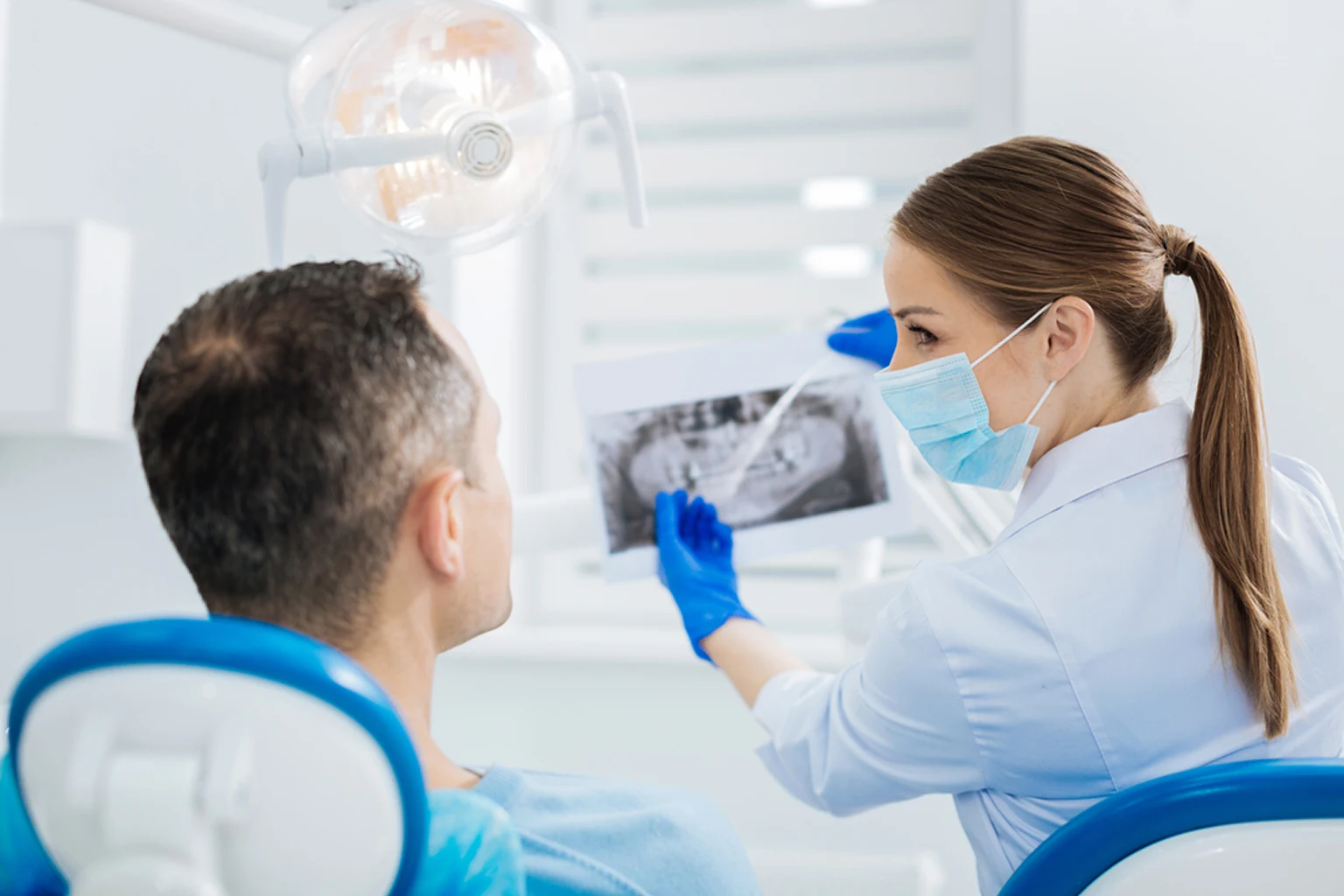
You ask how to find affordable dental care in Franklin Park, NJ and what steps make quality treatment fit your budget. You can access cost-conscious dentists, flexible payment plans, and community resources in Franklin Park that keep dental care within reach without sacrificing comfort or modern treatments.
This guide walks through why regular visits matter, which low-cost services and payment options to look for, and how technology and at-home habits lower long-term expenses. It prepares you to compare providers, use insurance wisely, and take the first step toward a healthier smile.
Understanding the Importance of Regular Dental Visits
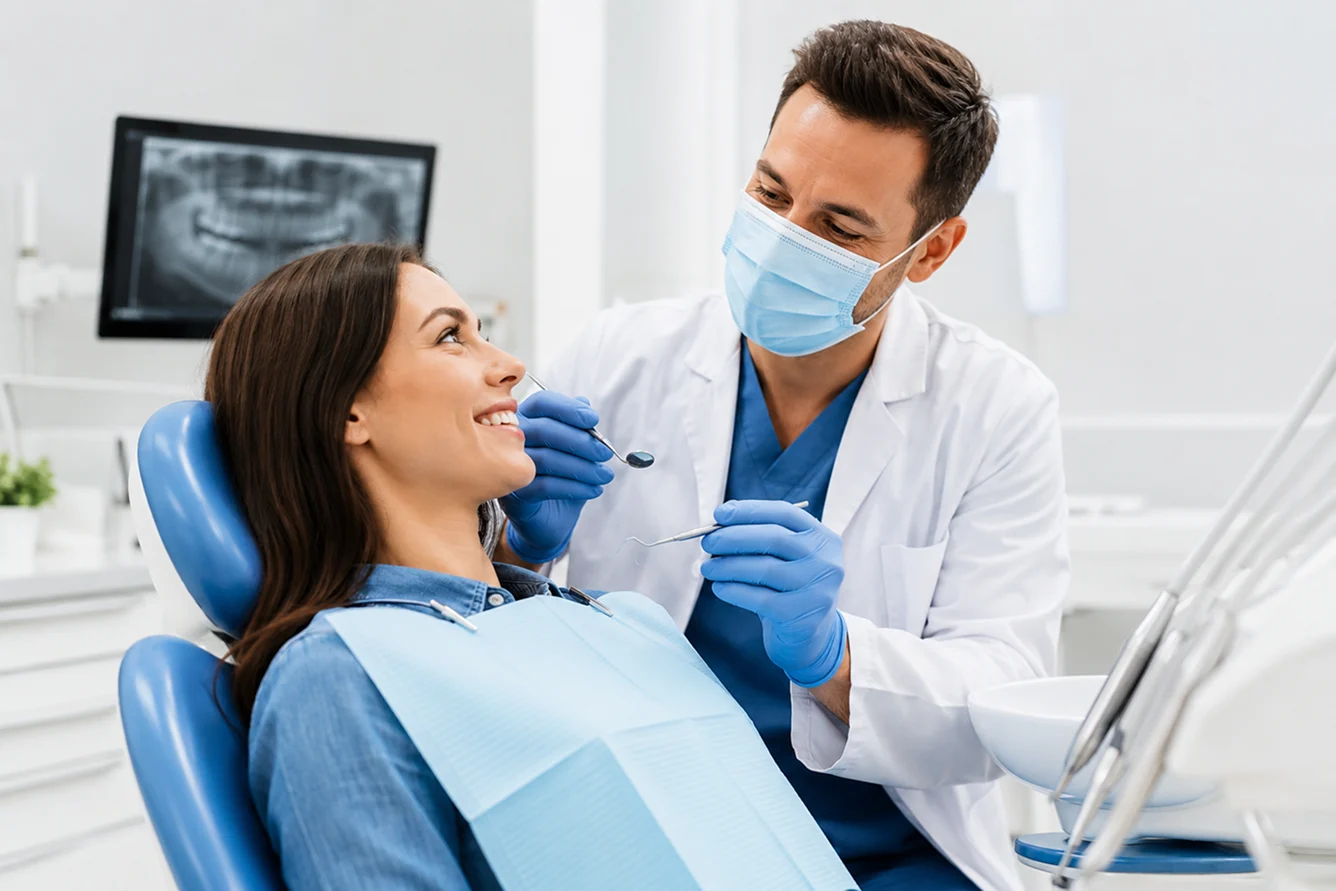
Regular dental visits keep teeth healthy, prevent small problems from becoming expensive ones, and help patients maintain overall well-being. They provide timely treatments, personalized prevention plans, and professional guidance on daily oral care.
Early Detection of Dental Issues
Routine exams and digital X-rays catch cavities, gum disease, and oral cancer much earlier than waiting for pain to start. For example, a bitewing X-ray can reveal interproximal decay between molars before a filling is needed, and a periodontal screening measures pocket depths to spot early gum inflammation.
Early detection often means simpler, less costly care. Treating a small cavity with a filling usually avoids root canal therapy or crown placement later. Finding precancerous lesions early increases treatment options and improves outcomes.
Dentists in Franklin Park typically combine clinical exams with photos and imaging to document changes over time. Patients receive clear explanations of findings and a recommended timeline for treatment, so they can make informed decisions without surprise bills.
Preventive Care Benefits
Preventive visits include professional cleanings, fluoride treatments, sealants when appropriate, and personalized oral hygiene coaching. A 6-month cleaning removes hardened plaque (calculus) that brushing and flossing at home can’t eliminate, reducing the risk of cavities and gum disease.
Preventive care also targets specific needs: smokers, diabetics, and pregnant patients receive tailored screenings and advice because their risks differ. Sealants on deep grooves of molars can cut childhood decay by up to 80% in treated surfaces, and fluoride varnish strengthens enamel in both children and adults.
Insurance plans and many community clinics in Franklin Park offer preventive-focused coverage or sliding-scale fees, making these visits an affordable way to protect long-term dental health. Clear takeaways and home care tips accompany each visit to reinforce daily habits.
Long-Term Health Impacts
Oral health affects systemic health: untreated gum disease links to higher risk of heart disease, poorly controlled diabetes, and adverse pregnancy outcomes. Managing periodontal inflammation through regular care helps reduce chronic inflammatory burden in the body.
Tooth loss from neglected decay and gum disease changes chewing, nutrition, and facial structure. Replacing lost teeth with implants, bridges, or dentures restores function but costs more than preservation through routine care.
Regular dental monitoring also supports medication management and early identification of medication-related issues like dry mouth, which increases decay risk. Dentists coordinate with primary care providers when necessary to protect both oral and overall health, helping patients maintain function and comfort as they age.
Affordable Payment Options in Franklin Park
Franklin Park dental practices offer several ways to reduce out-of-pocket costs and make routine and urgent care manageable. Patients can often combine options — like a savings plan plus a payment arrangement — to fit their budget and treatment timeline.
Sliding Scale Fees
Sliding scale fees adjust the price of care based on household income and family size. Clinics that use this model require proof of income such as pay stubs, W-2s, or a benefits letter; reduced rates typically apply for patients under certain income thresholds.
Not every dentist in Franklin Park offers sliding fees, but community health clinics and some private practices do. Typical discounts range from 20% to 60% off standard fees for preventive and basic restorative services; complex procedures may have smaller discounts or be excluded.
Patients should ask clinics for the exact income brackets, required documents, and whether discounts renew annually. Confirm which services are covered, whether X-rays and materials are included, and whether any co-pays apply at the time of service.
Dental Savings Plans
Dental savings plans (also called dental discount plans) provide discounts on services for an annual fee, not insurance. Members pay a predictable yearly cost — often $100–$300 — and receive discounted rates (typically 10%–60%) at participating Franklin Park dentists.
Plans usually cover cleanings, exams, fillings, and crowns at reduced prices. They do not have deductibles or waiting periods in many cases, making them useful for immediate treatment needs or for those who lack traditional insurance.
Compare provider networks and the specific discount schedule before joining. Verify whether a preferred local dentist participates and check how emergency visits, specialty care, and lab fees are handled under the plan.
Flexible Payment Arrangements
Flexible payment arrangements let patients spread the cost of treatment over time. Options commonly offered in Franklin Park include zero-interest plans for short terms, low-interest monthly installments through third-party lenders, and in-office payment plans set up directly with the practice.
When evaluating plans, patients should confirm the total repayment amount, interest rate, payment length, any origination fees, and consequences of missed payments. Practices often require a down payment for major procedures like crowns, implants, or orthodontics.
Patients can combine a payment plan with insurance or a savings plan to lower monthly costs. Always request a written agreement that lists the schedule, amounts, and any service exclusions before beginning treatment.
Insurance and Coverage Guidance
This section explains practical steps for using dental insurance, ways to get the most value from plans, and options for those without coverage. It focuses on actionable steps, typical costs, and local resources in Franklin Park, NJ.
How to Use Dental Insurance
Patients should confirm network participation before scheduling. Call the dental office and the insurer to verify the dentist’s in-network status, covered services, and patient cost-sharing for exams, X-rays, cleanings, fillings, and crowns.
Understand common plan terms: deductible (annual amount paid out-of-pocket), coinsurance (percentage patient pays), and annual maximum (the plan’s yearly payoff limit). For example, a $50 deductible and 20% coinsurance on a $400 crown means the patient pays $130 after deductible.
Use preauthorization for major procedures. Request a preauthorization or estimate from the dentist, then submit it to the insurer to confirm coverage and reduce surprise bills. Keep claim numbers and dates for follow-up.
Bring proof of insurance and ID to appointments. Verify patient responsibility at check-in and ask the front desk to submit claims electronically to expedite reimbursement.
Maximizing Benefits
Schedule preventive visits early in the year. Most plans reset benefits on January 1, so early cleanings and exams avoid hitting annual maximums later when treatment costs rise.
Combine care strategically. If two restorations are needed, discuss timing with the dentist to spread services across benefit years, or prioritize treatments that prevent more expensive problems. Ask about in-house or bundled discounts for multiple procedures.
Use Flexible Spending Accounts (FSA) or Health Savings Accounts (HSA) when available. FSAs/H SAs reduce taxable income and cover copays, deductibles, and many treatments. Confirm eligible expenses and plan deadlines to avoid forfeiting funds.
Keep a simple checklist: verify network status, obtain preauthorization for major work, confirm patient portion at scheduling, and submit receipts for FSA/HSA reimbursement.
Assistance for the Uninsured
Franklin Park residents without insurance can access low-cost options through community clinics and dental schools. The Rutgers School of Dental Medicine and local NJ community health centers often offer sliding-scale fees or discounted care for qualifying patients.
Ask the dental office about payment plans and membership plans. Many practices provide interest-free monthly plans or in-house membership that covers routine care for a set annual fee and discounts on procedures.
Search for state programs and nonprofit aid. New Jersey’s Medicaid and NJ FamilyCare cover eligible children and adults for preventive and medically necessary dental services. Local nonprofits sometimes run free dental days; call county health departments for schedules.
Prepare documents when applying: proof of income, ID, and recent utility bills streamline eligibility checks. Patients should request written cost estimates and compare two providers when possible to find the best balance of price and care.
Common Budget-Friendly Dental Services
Affordable dental care in Franklin Park focuses on preventive visits, simple restorations, and cosmetic options that deliver value without unnecessary cost. Patients typically save most by prioritizing routine exams, prompt fillings, and modest whitening choices that match their goals.
Routine Exams and Cleanings
Routine exams usually include a dental exam, periodontal check, and professional cleaning every six months. X-rays may be taken every 1–3 years depending on risk; clinics often bundle two bitewing X-rays with the cleaning for a single reduced fee.
Hygienists remove plaque and tartar, polish teeth, and apply fluoride when indicated. Patients with gum disease receive scaling and root planing estimates up front; many practices offer payment plans or discounted multiphase treatment to spread cost.
Look for community clinics or dental schools in Franklin Park that offer lower-priced cleanings by supervised students or hygienists. Ask about membership plans that waive deductibles and give discounted exams and cleanings for an annual fee.
Basic Fillings and Restorations
Basic restorations address cavities and minor fractures using composite (tooth-colored) or amalgam (silver) fillings. Composite is more aesthetic and commonly used in visible areas; clinics give itemized pricing so patients compare materials and durations.
Dentists assess cavity size and location to recommend the right material and approach. For larger defects, an onlay or crown might be necessary; many offices provide cost estimates and phased treatment to limit immediate outlay.
Sliding-scale clinics and in-house financing often reduce upfront cost. Patients should ask for clear warranties on restorative work and request digital photos or models to understand what the restoration will look like before committing.
Low-Cost Whitening Choices
Over-the-counter whitening strips and dentist-dispensed take-home trays represent the two most common budget options. OTC strips cost $20–60 and work well for mild surface stains; dentist-provided take-home kits use stronger peroxide gels with custom trays for more consistent results.
In-office whitening gives faster results but costs more; many practices offer economy “boost” sessions that are shorter and less expensive. Patients with restorations should consult their dentist because fillings and crowns do not whiten and may need color-matching afterward.
Ask about promotional packages, seasonal offers, or bundled exams plus whitening discounts at local Franklin Park offices. A brief consultation identifies stains’ causes and recommends the safest, most cost-effective whitening path.
Modern Technology for Comfortable and Cost-Effective Care
Modern dental practices in Franklin Park use specific tools and techniques that reduce discomfort, lower overall treatment time, and often cut costs by avoiding repeat visits or extensive procedures.
Digital X-Rays and Diagnostics
Digital X-rays reduce radiation exposure by up to 80–90% compared with film and produce images instantly on-screen. Dentists can enlarge and enhance images to spot small cavities, bone loss, or root issues earlier, which often avoids more expensive treatment later.
Many offices combine digital sensors with intraoral cameras to document conditions and show patients real-time images. This improves communication about needed care and allows dentists to create targeted, efficient treatment plans that focus on prevention and early intervention.
Electronic health records (EHR) streamline insurance claims and billing, reducing administrative costs that can be passed on to patients. Quick image transfer also speeds referrals when a specialist consult is needed, saving time and appointment fees.
Gentle Treatment Approaches
Practices prioritize patient comfort through local anesthesia techniques, computer-controlled anesthetic delivery, and nitrous oxide when needed. These methods minimize pain and anxiety during procedures and reduce the likelihood of canceled or extended appointments.
Clinics often offer noise-dampening handpieces and ergonomic chairs to make visits physically easier. Staff train in patient-centered communication, using simple explanations and staging treatment so patients understand each step before it happens.
Comfort measures shorten chair time and reduce the need for multiple sittings, which lowers total costs for patients. Many offices also provide written care instructions and follow-up calls to prevent complications that could lead to additional charges.
Minimally Invasive Procedures
Minimally invasive dentistry focuses on preserving natural tooth structure using techniques like air abrasion, bonded restorations, and narrow-diameter burs. These approaches often require less tooth preparation, which reduces procedure time and the need for crowns or root canals later.
Adhesive dentistry and composite materials allow same-day restorations for many cavities and minor fractures. In-office CAD/CAM milling can produce ceramic crowns in a single visit, eliminating lab fees and a second appointment.
Non-surgical periodontal therapy using ultrasonic scalers and targeted antibiotics controls gum disease earlier, preventing costly surgeries. By combining conservative techniques with preventive recall programs, practices help patients limit long-term expenses while maintaining oral health.
Tips for Maintaining Oral Health at Home
Maintain a consistent daily routine, use the right tools, and adjust diet and habits to protect enamel and gums. Small, specific actions—proper brushing, targeted product choices, and limiting acidic or sugary foods—produce measurable benefits between dental visits.
Smart Brushing and Flossing Techniques
Brush twice daily for two minutes each time using gentle, circular motions rather than hard back-and-forth scrubbing. Hold the brush at a 45° angle to the gumline to clean both tooth surfaces and the sulcus where plaque hides. Replace a manual toothbrush every three months or sooner if bristles splay.
Use a soft-bristled electric toothbrush if possible; oscillating heads remove more plaque with less pressure and reduce gum recession risk. For flossing, slide floss gently up and down each side of the tooth in a C-shape, reaching below the gumline. If tight contacts make flossing difficult, try waxed floss, floss picks, or a water flosser; many patients find water flossers easier for implants, bridges, and orthodontics.
Address bleeding gums by continuing gentle brushing and flossing—stopping makes inflammation worse—and schedule a professional cleaning if bleeding persists beyond two weeks. Consider fluoride toothpaste with at least 1,350 ppm fluoride for daily protection against decay.
Choosing Affordable Dental Products
Prioritize products that offer proven benefits rather than name-brand packaging. Look for the ADA Seal of Acceptance and active ingredients such as fluoride (sodium fluoride or stannous fluoride), triclosan alternatives for antibacterial action, or potassium nitrate for sensitivity relief. These indicators often appear on budget and store-brand products.
Compare unit prices and buy refill packs or economy sizes to lower cost per use. Use a timer app or a toothbrush with a built-in two-minute timer to avoid wasting product and to ensure effective brushing. For flossing, buy bulk waxed floss or reusable interdental brushes; interdental brushes work well for wider gaps and braces and can be sterilized and reused for weeks.
Ask local clinics in Franklin Park, NJ about sample kits or low-cost care programs; some community dental practices provide discounted hygiene kits. When in doubt, consult a dental hygienist for personalized product recommendations based on enamel wear, sensitivity, or gum recession.
Diet and Habits for Healthy Teeth
Limit sugary snacks and beverages to reduce acid attacks that dissolve enamel; aim to consume sweets only with meals rather than as frequent snacks. Rinse the mouth with water after acidic drinks like soda, coffee, or citrus juices to help neutralize pH and reduce enamel erosion.
Chew sugar-free gum containing xylitol for 10–20 minutes after meals to stimulate saliva, which helps remineralize enamel and clear food debris. Incorporate calcium- and vitamin D–rich foods such as low-fat dairy, leafy greens, and fortified plant milks to support strong teeth and bones.
Avoid using teeth as tools to open packages or crack nuts, which increases the risk of chips and fractures. For tobacco users, recommend quitting; tobacco raises the risk of gum disease and complicates healing, and cessation improves oral health within months.
Selecting the Right Dentist in Franklin Park
Patients should start by checking credentials and experience. Look for a dentist who is licensed in New Jersey and has experience treating the specific needs of adults or children, depending on the household.
Read recent patient reviews and ratings to gauge bedside manner and office culture. Positive comments about clear explanations, gentle care, and punctual appointments often indicate a patient-focused practice.
Confirm insurance acceptance and payment options up front. Many offices list accepted plans and offer sliding-scale fees or in-house financing; call to verify coverage and any out-of-pocket estimates.
Tour the office or request a virtual walkthrough to assess cleanliness and technology. Modern equipment like digital X-rays and intraoral cameras improves diagnosis and can make visits quicker and more comfortable.
Ask about preventive care emphasis and treatment planning. A practice that prioritizes routine cleanings, fluoride, and clear options for restorative work signals long-term value and fewer surprises.
Use this simple checklist when comparing dentists:
- Licensing and specialties
- Patient reviews and communication style
- Insurance, fees, and financing options
- Office environment and available technology
- Preventive care focus and treatment transparency
They should call to schedule a consultation or ask questions about services and comfort measures. A brief conversation often reveals whether the dentist aligns with their needs and values.
Community Resources for Additional Dental Support
Local health centers and community clinics often offer reduced-fee or sliding-scale dental services for residents of Franklin Park, NJ. These clinics focus on routine care—cleanings, fillings, and urgent exams—and can be a first stop for those without insurance.
Nonprofit organizations provide mobile clinics, school-based programs, and special events with free screenings. They target children, seniors, and low-income families and sometimes arrange follow-up care with local dentists.
Dental schools and training programs nearby may offer low-cost treatment performed by supervised students. Costs are lower because students gain experience under licensed faculty, and patients receive attentive, up-to-date care.
State and county assistance programs can help qualify patients for Medicaid or charity dental benefits. Eligibility rules vary, so contacting the program directly or using a community navigator can speed up enrollment.
Useful quick reference:
- Franklin Park Health Center — sliding-scale dental services.
- Mobile dental events — free screenings; dates posted locally.
- Dental schools — reduced-rate comprehensive care.
- County assistance — Medicaid enrollment help.
They encourage readers to call ahead, ask about payment plans, and bring a list of medications and prior dental records. A short phone call can clarify costs, appointment availability, and which services are covered.
Taking the First Step Toward a Healthier Smile
A simple phone call or online appointment can start the journey to affordable dental care in Franklin Park, NJ. The clinic staff greets patients warmly, explains costs up front, and helps find payment options that fit individual budgets.
During the first visit, the dentist performs a clear, focused exam and discusses immediate needs. They review X-rays if necessary, outline treatment priorities, and answer questions in plain language.
Patients receive a personalized plan that balances urgent care and preventive steps. This plan often includes hygiene visits, basic restorations, and guidance on at-home care to avoid larger costs later.
Practical options make care accessible:
- Sliding scale fees or income-based discounts
- In-house payment plans or low-interest financing
- Referral to community resources when appropriate
Comfort and modern techniques reduce anxiety and time in the chair. The office uses gentle anesthesia choices, sedation options when needed, and explains each step so patients feel informed and relaxed.
They encourage patients to bring a list of concerns and any insurance information to the first appointment. Asking about costs, timelines, and alternatives helps people make decisions that suit their health and finances.
Call or message the practice to schedule a consult, ask about financing, or request a virtual screening. The team welcomes questions and guides patients toward sustainable, affordable oral health.
Frequently Asked Questions
This section explains practical steps for finding affordable care, payment choices, what to expect at the first visit, routine prevention schedules, urgent-care options, and where to read patient feedback and see photos.
How can I find a trusted dentist nearby who offers fair pricing and clear estimates?
They should check dentists listed on Franklin Park clinic websites and verify licenses at the New Jersey Dental Association site.
Look for offices that publish prices or offer free consultations and written estimates before treatment.
Ask about experience with the specific procedure and request before-and-after photos of similar cases.
Confirm the office’s infection-control protocols and whether providers use digital X-rays or intraoral cameras for clearer diagnostics.
What payment options are typically available, like insurance, payment plans, or in-house memberships?
Most practices accept major dental insurance plans and file claims on the patient’s behalf.
Many offices also offer in-house membership plans that cover cleanings and exams for a flat annual fee.
Flexible financing is common through third-party lenders that split costs into monthly payments.
Ask the front desk for a written estimate showing insurance adjustments, patient portion, and available payment-plan terms.
What should I expect at my first visit, and how can I feel more comfortable in the dental chair?
The first visit typically includes medical-history review, a dental exam, and necessary X-rays or intraoral photos.
The dentist will explain findings, show images, and provide a clear treatment plan with options and costs.
Patients should mention anxiety, pain thresholds, or mobility needs when booking.
Many offices offer comfort measures like noise-canceling headphones, sedation options, or short breaks during treatment.
How often should I schedule cleanings and exams to prevent bigger, more costly problems later?
Most adults do well with dental cleanings and exams every six months to control plaque and detect issues early.
Patients with gum disease, heavy tartar buildup, or certain medical conditions may need visits every three to four months.
Regular X-rays every one to three years help catch decay between teeth or under fillings.
Following the dentist’s suggested recall interval reduces the risk of needing extensive restorative work.
What are my options if I need urgent care for a toothache, broken tooth, or swelling?
Call the dental office immediately; many Franklin Park practices reserve same-day slots for true dental emergencies.
If swelling, fever, or spreading infection occurs, seek immediate treatment—antibiotics and incision/drainage may be necessary.
For a broken tooth, bring any fragments in a clean container and avoid chewing on that side.
Emergency clinics and hospital ERs can handle severe trauma when a dental office is closed.
Where can I read real patient reviews and see photos to get a feel for a dental office before booking?
Check Google Business profiles and Yelp for recent patient reviews and star ratings specific to Franklin Park providers.
Look at the dental practice’s website and social media pages for photos of the office, staff, and treatment examples.
Independent healthcare sites like Healthgrades and Zocdoc often include patient comments and appointment availability.
Call the office to request patient references or an in-office tour if online information feels incomplete.