
Importance of Regular Dental Checkups Franklin Park NJ: Gentle Preventive Care Tips From Your Neighborhood Dentist
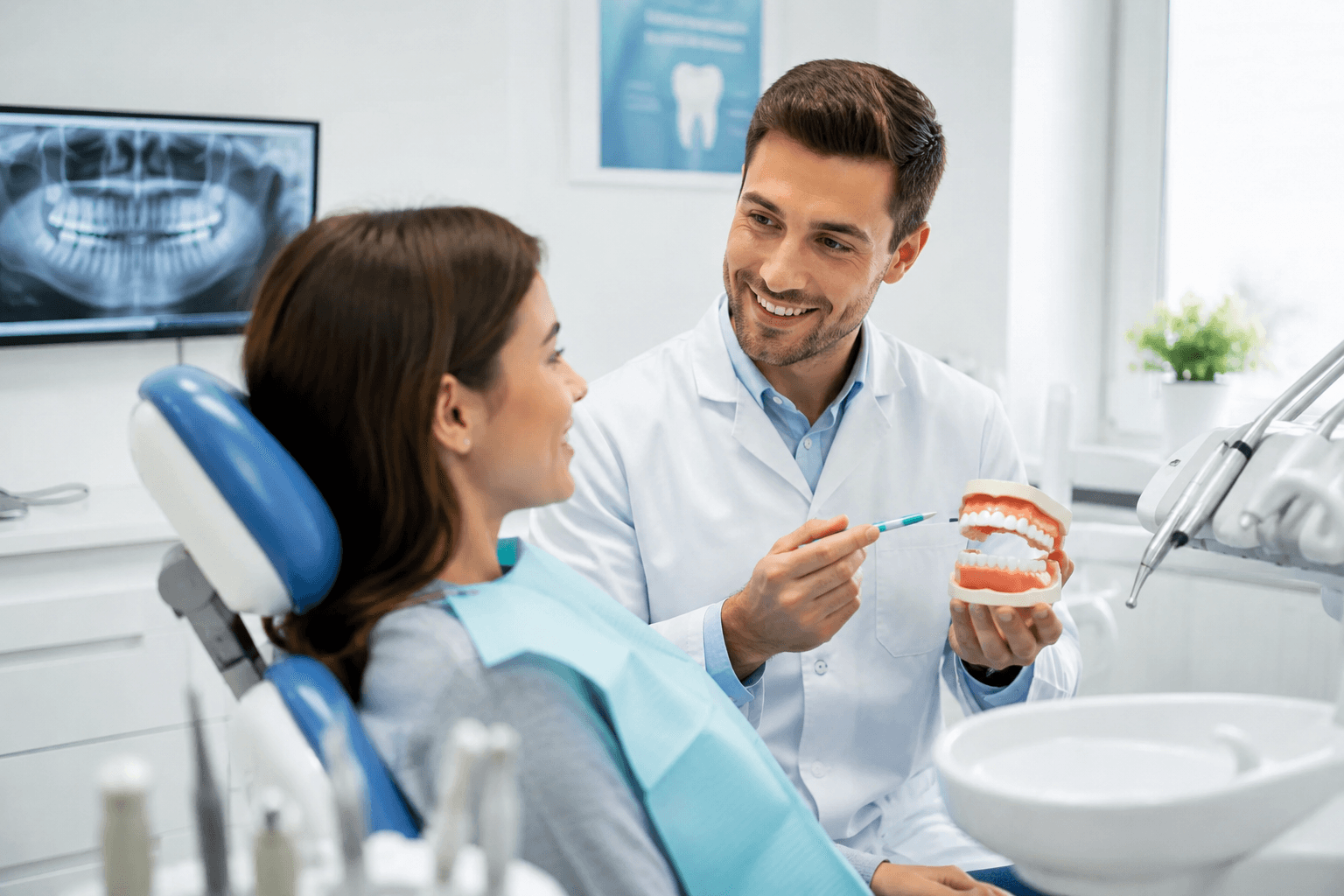
You follow a simple rule: regular dental checkups keep small problems from becoming big, costly ones. Routine visits let a dental team detect decay, gum disease, and oral health risks early so you avoid pain, complex treatment, and unexpected expenses.
A gentle, modern practice in Franklin Park, NJ tailors exams and cleanings to each person’s needs, balancing comfort with thorough care. Expect friendly explanations, personalized prevention plans, and technology that makes visits quicker and less stressful.
Keeping up with checkups also supports overall health—uncontrolled gum disease links to diabetes and heart issues—so your smile becomes part of a bigger wellness plan. Schedule a consultation or ask about appointment options to keep oral health on track.
Why Preventive Care Matters
Regular preventive visits help maintain healthy teeth, catch problems early, and avoid more invasive treatments later. Patients get professional cleaning, personalized advice, and screening that together preserve oral function and comfort.
Protecting Long-Term Oral Health
Preventive care focuses on preserving natural teeth and preventing deterioration over time. During routine cleanings, dental hygienists remove hard-to-reach plaque and tartar that home brushing misses. Removing these deposits lowers the chance of enamel breakdown and tooth fractures that can lead to crowns, root canals, or extractions.
Dentists also assess bite alignment, wear patterns, and restorations at each visit. Early adjustments to grinding, misalignment, or failing fillings prevent progressive damage. For patients in Franklin Park, NJ, consistent follow-up creates a dental record that guides personalized prevention plans and reduces cumulative treatment needs.
Reducing the Risk of Tooth Decay
Professional exams identify early demineralization before cavities form. Fluoride applications and targeted sealants strengthen vulnerable areas, especially on molars where grooves trap bacteria. These interventions are quick, low-cost, and effective at stopping decay progression.
Education during visits matters too. Hygienists teach specific brushing techniques, recommend interdental tools, and tailor dietary advice based on the patient’s habits. For those prone to decay, the practice may suggest increased recall frequency or prescription-strength fluoride to lower future treatment needs.
Early Detection of Gum Disease
Gum disease often starts without noticeable pain but shows measurable signs that clinicians track. Probing depth measurements and visual checks reveal inflammation, recession, and pocket formation long before tooth loss occurs. Detecting gingivitis early allows non-surgical treatments like scaling and improved home care to reverse the condition.
When periodontitis appears, timely interventions—such as deep cleaning, local antimicrobials, or referral to a specialist—limit bone loss and stabilize teeth. Regular periodontal monitoring also connects systemic health concerns (diabetes, cardiovascular risk) to oral status, enabling coordinated care that benefits overall wellbeing.
Personalized Oral Health Assessments
Dental visits focus on identifying current problems and preventing future ones by looking at gum health, tooth wear, bite alignment, past dental work, and lifestyle factors like tobacco or diabetes. Patients receive a clear, individualized plan that prioritizes comfort, immediate needs, and realistic follow‑up steps.
Tailoring Care to Your Unique Needs
The dental team reviews medical history, medications, and daily habits to shape treatment choices. For example, a patient with controlled diabetes and thin gum tissue may receive more frequent cleanings and targeted gum‑health instructions than a low‑risk patient.
Clinicians use specific exams — periodontal probing, oral cancer screening, and bite analysis — to match therapies to tissue condition and risk level. Restorative decisions consider previous crowns, the patient’s bite patterns, and aesthetic goals, so material choices and techniques reduce future failure.
Dentists also adapt communication and comfort measures. They offer local anesthesia options, shorter appointment segments, or sedation alternatives based on anxiety level and medical status. Written care plans list next steps, expected timelines, and at‑home actions like targeted brushing or prescription rinses.
Monitoring Changes Over Time
Baseline records include digital X‑rays, intraoral photos, and charted pocket depths to compare at each visit. These objective measures reveal slow changes — early bone loss, recurrent decay under restorations, or enamel erosion from acid reflux — before symptoms appear.
Scheduling intervals reflect risk: high‑risk patients might return every three to four months; low‑risk patients may keep six‑month visits. Tracking also documents healing after periodontal therapy or outcomes of new restorations, allowing precise adjustments to treatment.
Patient records flag trends so providers can escalate care when patterns emerge, such as moving from conservative monitoring to active intervention. This continuous review supports long‑term function and comfort while minimizing surprise treatments.
Spotting Problems Before They Escalate
Regular checkups let dentists find small issues that can be fixed quickly and comfortably. Early detection saves tooth structure, lowers costs, and reduces the chance of emergency treatment.
Identifying Cavities in Their Early Stages
During routine exams, the dentist inspects tooth surfaces and uses bitewing X-rays to reveal hidden decay between teeth. Visual exams catch white-spot lesions and enamel breakdown before a full cavity forms.
Early-stage cavities often cause no pain. The hygienist or dentist uses an explorer tool and surface-drying techniques to highlight soft enamel areas, then recommends remineralization with fluoride varnish or prescription fluoride toothpaste when appropriate.
For small lesions, the clinician may suggest conservative resin infiltration or a small composite filling instead of more invasive work. Patients receive specific home-care advice, such as switching to a toothpaste with 1,450 ppm fluoride, using a soft-bristled brush twice daily, and daily interdental cleaning.
Preventing Costly and Painful Procedures
Routine cleanings remove plaque and tartar that fuel gum disease and root decay, lowering the risk of root canals and extractions. Periodontal screening during visits measures pocket depths and flags gum inflammation early.
If X-rays or exams show early bone loss or deep decay, the team outlines targeted options: localized periodontal therapy, composite restorations, or indirect restorations like onlays. They explain costs, timelines, and expected outcomes plainly so patients can make informed choices.
Maintenance plans include 3- to 6-month recall intervals based on risk, personalized home-care steps, and occasional topical fluoride or desensitizing treatments. This proactive approach minimizes emergency visits and preserves natural teeth.
Modern Comforts and Gentle Techniques
Modern dental care combines comfort measures and minimally invasive methods to reduce anxiety and protect natural teeth. Patients in Franklin Park, NJ, benefit from quieter equipment, targeted numbing, and care plans tailored to individual sensitivity.
What to Expect During a Routine Visit
A routine visit usually starts with a brief health review and targeted questions about pain, gum bleeding, or sensitivity. The dental hygienist performs a focused cleaning using ultrasonic scalers with reduced-vibration tips and hand instruments for precise plaque removal.
Local anesthesia or topical numbing gel is available for deeper cleanings or sensitive areas; providers often ask about prior reactions to anesthetics. Dentists perform a clinical exam of teeth, gums, bite, and restorations, noting wear, mobility, or areas needing monitoring.
Appointments typically include oral cancer screening and gum pocket measurements recorded in the chart for trend tracking. Staff explain findings in plain terms and outline next steps—watchful waiting, preventive care, or a conservative treatment—so patients leave knowing what to expect.
Advanced Technology for Accurate Diagnosis
Digital X-rays (panoramic and bitewing) significantly cut radiation compared with film and provide immediate images for chairside review. Intraoral cameras show close-up views of teeth and soft tissue, letting the dentist point out cracks, early decay, or failing margins on fillings.
Cone beam CT scans are reserved for complex cases such as implant planning or evaluating jaw anatomy; dentists in the area refer patients only when the added detail changes treatment choices. Software helps compare past images to spot subtle progression of decay or bone loss over time.
Caries detection tools and laser diagnostics can identify initial demineralization without drilling, supporting remineralization strategies. Electronic periodontal charting and secure digital records streamline follow-up, making it easier for patients to track their oral health and for providers to coordinate care.
Impact on Overall Well-Being
Routine dental visits affect more than teeth; they influence cardiovascular risk and self-confidence. Regular screenings and early treatment reduce inflammation, detect systemic issues, and help patients maintain comfortable, attractive smiles that support daily life.
Oral Health’s Connection to Heart Health
Researchers link chronic gum disease (periodontitis) to higher risk of atherosclerosis and endothelial dysfunction. Bacteria from inflamed gums can enter the bloodstream, increasing systemic inflammation markers like C-reactive protein, which clinicians associate with greater risk for heart attack and stroke.
In Franklin Park, patients with diabetes or hypertension benefit from coordinated care: dentists monitor gum health and communicate findings to primary care providers. Simple measures—professional cleanings every 3–6 months, improved home care, and timely treatment of periodontal pockets—lower oral bacterial load and reduce inflammatory signals that can stress the cardiovascular system.
Dental teams also screen for signs that suggest referral: persistent bleeding despite good hygiene, deep periodontal pockets, or unexplained oral infections. Acting on those signs helps clinicians address potential cardiovascular links early and supports safer, more effective management of chronic health conditions.
Supporting a Confident Smile
A healthy smile affects speech, eating, and social interactions. Routine exams catch issues that threaten appearance and function—decay, loose restorations, tooth wear, and gum recession—before they require extensive treatment. Early, conservative fixes preserve tooth structure and reduce the need for crowns or extractions.
Cosmetic and restorative options in Franklin Park range from tooth-colored fillings and bonding to professional whitening and implant restorations. Dentists discuss realistic outcomes, recovery time, and costs so patients make informed choices that match lifestyle and budget.
Maintaining a confident smile also supports mental well-being: patients report less self-consciousness at work and in relationships when their dental health is stable. Regular checkups build a treatment history that helps clinicians tailor care, anticipate future needs, and recommend preventive steps that keep smiles functional and attractive.
Advice for Franklin Park Families
Families in Franklin Park can protect smiles by establishing routine visits, practicing daily oral care, and choosing a dental office that fits schedules and needs. Practical steps — like age‑appropriate brushing, fluoride use, and scheduling six‑month cleanings — make a measurable difference.
Building Healthy Habits at Every Age
Parents should start oral care when the first tooth appears, cleaning gums with a soft cloth and introducing a soft-bristled toothbrush by about 12 months. Use a smear of fluoride toothpaste for infants and a pea-sized amount by age 3; supervise brushing until around age 7–8 to ensure two minutes twice daily.
School‑age children benefit from regular fluoride varnish and sealants; these reduce decay risk on chewing surfaces. Teens need guidance on limiting sugary sports drinks and on safe orthodontic care if braces are used. Older adults should report dry mouth, gum recession, or loose teeth promptly, as these signs often require earlier checkups or specialized treatment.
Make routine dental visits part of the family calendar. Schedule cleanings and exams every six months, and call the dentist after any injury, sudden pain, or swelling.
Choosing the Right Dental Partner
Look for a dental practice that offers clear communication, sedation options for anxious patients, and same‑day scheduling for urgent issues. Verify that dentists are licensed in New Jersey, read recent patient reviews, and confirm whether the office accepts the family’s insurance or offers transparent payment plans.
Assess the office environment: comfortable seating, kid‑friendly tools, and staff who explain procedures in simple terms indicate a patient‑centered approach. Ask about preventive services available onsite, such as digital X‑rays, fluoride treatments, and sealants, and whether they coordinate care with pediatricians or specialists.
Tour the practice or request a brief phone consultation to discuss hours, emergency access, and how they handle new patients. Choosing a dentist who prioritizes comfort and prevention helps families maintain long‑term oral health and reduces the need for extensive treatment.
Taking the Next Step
They should call the Franklin Park dental office to schedule a routine checkup if it’s been more than six months or if any new symptoms appear. A friendly staff member will confirm appointment options, insurance details, and any paperwork to save time at arrival.
Patients can prepare a short list of concerns—sensitivity, recent pain, or cosmetic questions—to discuss during the visit. Bringing a current medication list and dental insurance card helps the dentist tailor care and avoid surprises.
The practice usually begins with a gentle cleaning and a comprehensive exam, including X-rays when needed to spot hidden issues. If treatment is required, the dentist will explain options in plain language, outline costs, and offer scheduling for follow-up care.
Many offices provide patient-focused comforts such as numbing options, sedation choices, and attentive chairside communication. These measures reduce anxiety and make appointments more predictable.
They may ask about at-home habits and suggest simple changes—better brushing technique, flossing routines, or a fluoride regimen—that prevent problems between visits. Small daily steps often yield measurable improvements in oral health.
For convenience, some practices offer online booking, text reminders, and virtual consults for preliminary questions. Patients should take advantage of these tools to keep care consistent and avoid avoidable complications.
Consider calling or visiting the practice website today to ask questions or request an appointment; the team stands ready to help with personalized guidance and comfortable care.
Frequently Asked Questions
This section answers specific concerns about timing, procedures, prevention, and simple habits patients can use to keep teeth healthy. It gives practical steps, what to expect at an exam, and clear reasons to keep routine visits in Franklin Park, NJ.
How often should you schedule a dental checkup and cleaning for the best preventive care?
Most people should schedule a checkup and professional cleaning every six months. Patients with higher risk factors—active gum disease, heavy plaque buildup, diabetes, or smoking—may need visits every three to four months.
Children typically visit every six months starting with the first tooth or by age one. The dentist will recommend a personalized recall interval based on oral health, medications, and medical history.
What problems can a dentist catch early during a routine exam that you might not feel yet?
Dentists can detect small cavities before they cause pain, allowing for less invasive fillings. Early gum inflammation (gingivitis) shows on probing and visual exam long before bleeding or loose teeth occur.
They can also spot signs of oral cancer, enamel wear from grinding, and early-stage infections around previous restorations. X-rays reveal bone loss, hidden decay, impacted teeth, and cysts that produce no symptoms yet.
Is a professional dental cleaning really necessary if you brush and floss every day?
Yes. Professional cleanings remove hardened tartar that home brushing and flossing cannot. Hygienists also polish stains and apply fluoride where needed to strengthen enamel.
The visit lets the dental team assess technique and spot areas patients consistently miss. Regular cleanings reduce inflammation and lower the chance of needing complex treatment later.
What can you expect during a typical dental checkup visit, step by step?
The visit usually starts with medical history and any health changes since the last appointment. A hygienist performs a plaque and tartar removal, followed by polishing and, if indicated, fluoride treatment.
The dentist conducts an oral exam, reviews X-rays if taken, checks bite and restorations, and screens for oral cancer. The team then discusses findings, recommends any needed treatment, and sets the next recall interval.
What is the 3-3-3 rule in dentistry, and how can it help you keep your smile on track?
The 3-3-3 rule refers to brushing for three minutes, three times a day, and changing the toothbrush every three months. It encourages consistent cleaning time and ensures brush bristles remain effective.
Following this rule improves plaque removal and helps prevent cavities and gum inflammation. Combining it with daily flossing and regular dental visits provides a strong preventive routine.
How can regular dental visits help prevent gum disease and protect your overall health?
Regular visits remove plaque and tartar that cause gum inflammation and pocket formation. Early treatment of gingivitis prevents progression to periodontitis, which can lead to tooth loss.
Dentists also monitor signs linking oral inflammation with systemic conditions like diabetes and heart disease. Treating oral infections and educating patients about home care reduces complications and supports overall health.