
Dental Implants Franklin Park NJ The Comfortable, Expert Solution for Your Smile
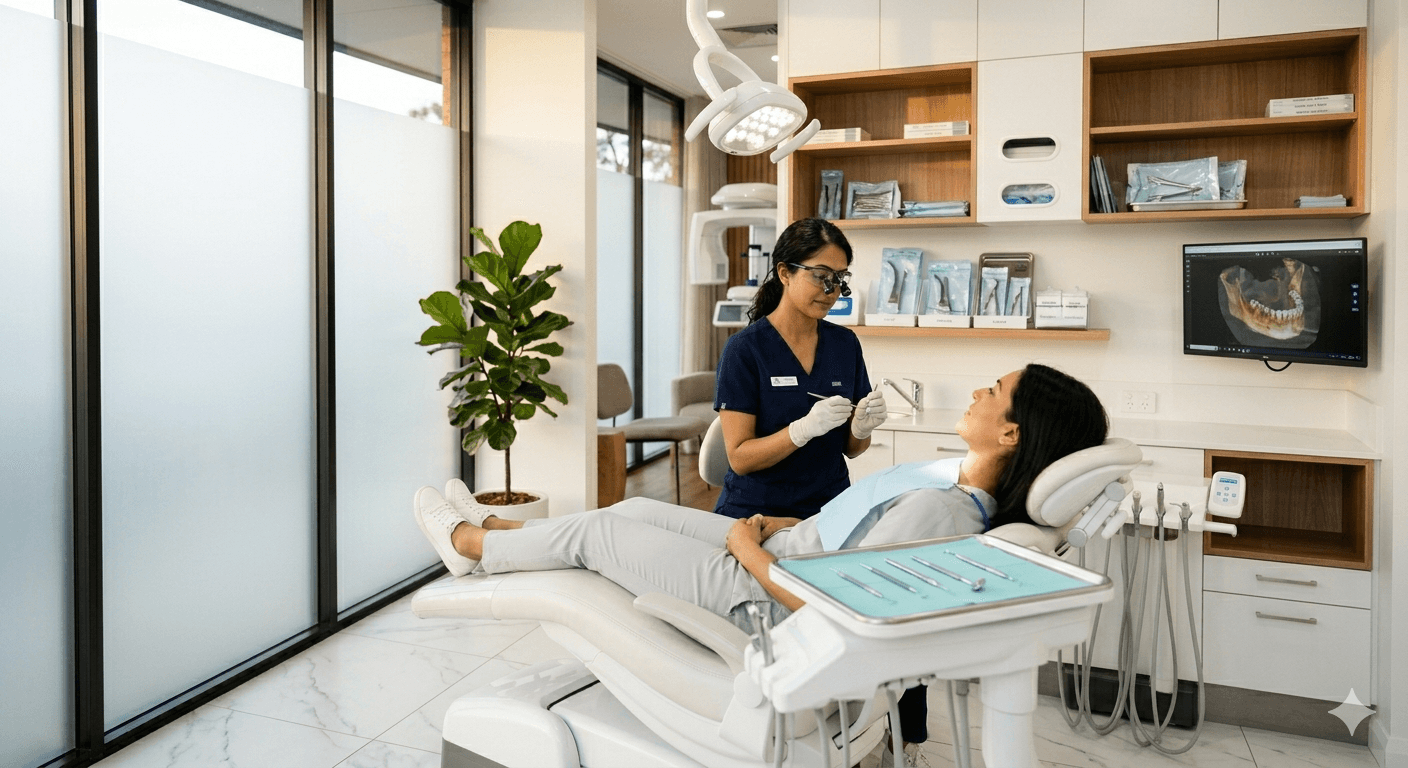
Dental implants in Franklin Park, NJ, offer a reliable and natural-looking solution for missing teeth. They provide stability and comfort that traditional dentures can’t match, helping patients regain their confidence and improve oral health.
The best dental implant procedures today focus on long-term success, comfort during treatment, and a personalized approach tailored to each patient’s needs. Local dentists use advanced technology to ensure precise placements and faster healing times.
Many people wonder about the process and care involved. Understanding what to expect can ease concerns and make the experience smoother, encouraging anyone considering implants to take the next step toward a healthier smile.
Understanding Dental Implants
Dental implants provide a reliable, long-term solution for replacing missing teeth. They involve a surgical process but aim to restore natural function and appearance. Several factors, including how they work, candidacy, and implant types, affect the overall treatment experience and outcome.
How Dental Implants Work
Dental implants are small titanium posts surgically placed into the jawbone, acting as artificial tooth roots. Over several months, the bone gradually fuses to the implant in a process called osseointegration, creating a stable foundation.
Once healed, a custom-made crown, bridge, or denture gets attached to the implant. This replacement looks and functions much like a natural tooth, allowing patients to eat, speak, and smile with confidence. The implant’s durability also helps preserve the jawbone and prevent bone loss that often happens after tooth loss.
Who Is a Good Candidate
Good candidates for dental implants are generally healthy adults with sufficient jawbone density. Strong oral hygiene habits and good overall health improve healing and implant success. Conditions like uncontrolled diabetes or heavy smoking may require treatment or lifestyle changes first.
Patients with missing one or more teeth, stable gums, and realistic expectations fit well. A thorough evaluation including X-rays and dental exams helps assess whether the jawbone can support implants or if bone grafting might be needed.
Types of Dental Implants
The most common implant type is the endosteal implant, placed directly into the jawbone. These can support single crowns, bridges, or full dentures. Another kind, subperiosteal implants, sit on top of the jawbone under the gum when bone height is insufficient.
Implants also vary by material, with titanium being the most widely used for strength and biocompatibility. Zirconia implants offer a metal-free alternative, appealing to patients with metal sensitivities or preference.
This variety ensures dental providers can tailor treatments to suit each patient’s unique needs and anatomy.
Benefits of Choosing Implants
Dental implants provide a strong foundation for teeth replacement that looks and feels natural. They support oral health better than many alternatives and offer lasting results. Patients often find implants restore not just function but also confidence in everyday life.
Restoring Your Smile
Dental implants are designed to mimic natural teeth in both appearance and function. Unlike dentures or bridges, implants fuse directly with the jawbone, which helps maintain facial structure and prevents bone loss.
Because implants don’t rely on adjacent teeth for support, they preserve the health of surrounding teeth. They offer a stable chewing surface, allowing people to eat their favorite foods comfortably. Implants also resist slipping or shifting, which is common with dentures.
For many, this means smiling freely without worrying about visible gaps or loose dentures. The look and feel of implants often lead to a more natural and attractive smile.
Improved Oral Health
Implants promote better oral hygiene because they are easier to clean than other tooth replacements. Unlike bridges, implants don’t require altering nearby teeth, preserving natural tooth enamel.
The titanium posts used in implants stimulate the jawbone, which helps prevent bone deterioration—a common problem when teeth are missing. This stimulation keeps the bone healthy and maintains the shape of the face over time.
Good oral health also means fewer dental visits for repairs or adjustments. Implants reduce the risk of decay and gum disease that appliances like dentures can sometimes cause.
Long-Term Confidence
One key benefit of dental implants is their durability. With proper care, implants can last decades, often a lifetime, which offers peace of mind and reduces the need for frequent replacements.
Patients report improved confidence when speaking, eating, and laughing because implants feel secure and natural. This can enhance social interactions and overall quality of life.
Dental implants are also resistant to slipping or discomfort that can come from other tooth replacement options. This reliability lets patients focus on living fully without worrying about their smile.
If someone is considering tooth replacement in Franklin Park, NJ, discussing dental implants with a local expert can provide clarity and personalized guidance.
The Dental Implant Process
Getting dental implants involves several important steps designed to ensure effective, lasting results. From the initial examination to the final restoration, each phase is tailored to the patient’s unique needs, focusing on comfort and precision.
Consultation and Planning
During the first visit, the dentist takes detailed impressions, X-rays, and sometimes 3D scans to assess jawbone quality and structure. This helps determine if the patient is a good candidate for implants or if preparatory procedures like bone grafting are needed.
The dentist discusses treatment goals, timelines, costs, and answers any questions. A personalized plan is created, outlining the number of implants, types of materials, and expected healing periods. This phase sets the foundation for a smooth experience.
Surgical Placement Overview
The implant placement surgery is typically done under local anesthesia, ensuring the patient feels minimal discomfort. A small incision exposes the jawbone, where the titanium post is carefully inserted to serve as an artificial tooth root.
Once the implant is in place, the gums are stitched closed, and a healing cap protects the site. The procedure usually takes about 1 to 2 hours per implant, and most patients experience mild swelling or soreness afterward, which can be managed with over-the-counter pain relief.
Healing and Recovery Timeline
After surgery, the jawbone needs time to fuse with the implant through a process called osseointegration. This can take 3 to 6 months, during which the patient should avoid putting pressure on the implant site.
Follow-up appointments monitor healing and check for any signs of complications. Once osseointegration is complete, the dentist attaches an abutment and custom crown. Regular care and dental visits ensure the implant remains healthy and functional for years to come.
Comfort and Care During Treatment
Dental implant procedures in Franklin Park, NJ, prioritize patient comfort and continuous support. From minimizing discomfort during the procedure to offering guidance throughout healing, practices focus on making the experience as smooth and stress-free as possible.
Patient Comfort Techniques
Dentists typically use local anesthesia to numb the area around the implant site, reducing pain during the procedure. For patients with anxiety, sedation options like nitrous oxide or oral sedatives are available to help them relax.
Post-surgery, cold compresses and prescribed pain medications manage swelling and discomfort effectively. Many clinics provide detailed aftercare instructions to promote healing and prevent complications, ensuring patients feel cared for at every step.
Support Throughout Your Journey
Every patient receives personalized follow-up appointments to monitor healing and implant integration. These visits allow dentists to address any concerns and adjust care as needed.
Communication is key; patients often have access to their dental team via phone or email for questions between appointments. This ongoing support helps ease worries and keeps patients informed, making the entire treatment process more reassuring and manageable.
Aftercare and Maintenance Tips
Taking good care of dental implants starts with daily habits and knowing what to watch for. Long-term success depends on paying attention to cleaning, spotting any warning signs early, and making choices that protect your investment.
Daily Care for Implants
Dental implants need regular cleaning, just like natural teeth. Brushing twice a day with a soft-bristle toothbrush helps remove plaque without damaging the implant surface.
Flossing is essential too. Use floss specifically designed for implants or a water flosser to clean around the implant and under the gumline. Avoid harsh or abrasive toothpaste, which can scratch the implant crown.
Rinsing with an antibacterial mouthwash can reduce bacteria and help keep gums healthy. It’s important to maintain routine dental visits every 6 months for professional cleanings and checkups.
Recognizing Signs of Issues
It’s normal to have slight sensitivity around dental implants, but persistent pain or swelling isn’t. Watch for redness, bleeding, or tenderness around the implant site, as these may indicate inflammation or infection.
Loose implants or crowns are a warning sign. If an implant feels unstable or shifts, contact the dentist promptly.
Bad taste or smell from the mouth can also show a problem. Early detection of these symptoms helps prevent more serious complications, like peri-implantitis, which can affect the bone supporting the implant.
Maximizing Implant Longevity
Avoid smoking, which can delay healing and increase the risk of implant failure. A balanced diet rich in vitamins and minerals supports gum health.
Limit excessive force on implants by avoiding chewing very hard foods, such as ice, hard candies, or unpopped popcorn kernels.
Wearing a nightguard protects implants for those who grind or clench teeth during sleep. Staying hydrated and managing medical conditions like diabetes are key to keeping tissue healthy and implants secure.
Regular communication with the dental team ensures any issues are caught early and treated properly.
Comparing Tooth Replacement Options
Choosing the right tooth replacement involves understanding how each option fits your lifestyle, comfort, and long-term oral health. Key differences lie in stability, maintenance, and impact on surrounding teeth.
Implants vs Dentures
Dental implants are titanium posts surgically placed into the jawbone, mimicking natural tooth roots. They provide strong, stable support for crowns, preventing bone loss and allowing normal chewing.
Dentures, on the other hand, are removable and sit on the gums. While they restore appearance and function, they can slip or cause discomfort. Over time, dentures may require adjustments due to changes in the jawbone, which can affect fit.
Implants typically last longer and feel more natural. Dentures involve less upfront cost but often need replacement or relining. Implants also help preserve jawbone health, an advantage dentures don’t offer.
Implants vs Bridges
Bridges rely on neighboring teeth for support by attaching crowns on either side of the gap. This can impact healthy teeth, requiring them to be shaved down, which may weaken them over time.
Implants stand independently, not affecting adjacent teeth. They also help maintain jawbone structure by stimulating bone growth.
While bridges are quicker to place and less invasive initially, implants provide a more permanent, durable solution. Implants generally require a longer healing period and higher upfront investment but offer better long-term benefits. Bridges may need replacement more often due to wear on supporting teeth.
Personalized Solutions in Franklin Park NJ
Dental implant treatments in Franklin Park focus on creating plans that fit each patient’s unique dental and lifestyle needs. From initial consultations to post-procedure care, the approach is detailed and patient-centered. Comfort and long-term success are key goals throughout the process.
Tailoring Treatments to Your Needs
Each patient’s mouth, bone density, and oral health are carefully evaluated before deciding on the best implant option. Some may require bone grafts or sinus lifts to ensure a sturdy foundation. Others might benefit from same-day implants that speed up the restoration process.
Franklin Park dentists also consider factors like budget, healing time, and aesthetic preferences. They discuss different implant materials and crown styles to match your natural teeth. This personalized planning aims to provide durable, comfortable results that look and feel natural.
Experienced Local Providers
Local dental professionals in Franklin Park bring years of specialized training in implant dentistry. Many have invested in the latest technologies like 3D imaging and guided surgery tools. These advancements improve placement precision and reduce recovery time.
Because local providers understand the community’s health trends and concerns, they tailor care with your overall well-being in mind. Friendly, accessible offices make scheduling and follow-up easy. Patients often appreciate the ongoing support and clear communication offered by these trusted experts.
Cost Considerations and Financing
Understanding the cost of dental implants in Franklin Park, NJ, involves several key details. The price varies based on individual treatment needs, with payment options designed to ease financial concerns.
Factors Influencing Cost
Several elements affect the total cost of dental implants. These include the number of implants needed, the type of implant and crown used, and whether additional procedures like bone grafts or extractions are necessary. More complex cases typically require higher investment.
Location also plays a role. Franklin Park offers competitive pricing compared to larger metro areas, but quality and experience of the dental provider are crucial factors to consider.
Insurance coverage for implants varies; some plans cover part of the procedure while many see implants as cosmetic. It’s important to verify what portion your insurance will cover beforehand.
Flexible Payment Options
Many dental offices in Franklin Park provide flexible payment plans to make implants more affordable. Common options include monthly installments with low or no interest, which helps spread out costs without a large upfront payment.
CareCredit and similar healthcare financing programs are popular choices. They allow qualified patients to pay over time with manageable monthly fees.
Some practices offer discounts for paying in full upfront or for combining implant treatment with other dental services. Always ask the office about specials or customized plans to fit your budget.
Next Steps for Your Healthier Smile
After deciding on dental implants in Franklin Park NJ, the first step is scheduling a consultation. During this visit, the dentist will evaluate your oral health and discuss your goals. This helps create a personalized treatment plan that suits your needs.
It’s normal to feel a bit nervous, but modern techniques make the process comfortable. The dental team will explain every stage clearly and answer any questions. They focus on making you feel confident and informed.
To prepare, patients should maintain good oral hygiene and share their medical history. This information guides the dentist in recommending the best approach. Sometimes, additional procedures like bone grafting may be necessary to ensure implant success.
Here’s a quick checklist to keep in mind:
Before your appointment:
- Brush and floss regularly
- List current medications and health conditions
- Write down any questions you have
Following the appointment, patients typically schedule follow-ups to monitor healing. The dentist will give tips on caring for implants, including cleaning techniques and lifestyle habits to protect your investment.
Taking these steps leads to a stronger, healthier smile that lasts. Encourage anyone considering implants to reach out to their local Franklin Park NJ dental team for personalized advice and gentle guidance.
Frequently Asked Questions
Dental implants can seem complex, but understanding key points about candidacy, procedure, longevity, comfort, types, and costs helps patients make informed decisions. Knowing what to expect at each stage and how to care for implants supports a smoother experience and better results.
Am I a good candidate for dental implants if I have gum disease or bone loss?
Patients with gum disease or bone loss may still qualify for implants, but these conditions usually require treatment first. Bone grafting or periodontal therapy can create a healthier foundation.
Dentists in Franklin Park evaluate each case to recommend the safest approach and improve chances of implant success.
What does the dental implant process look like from the first visit to the final crown?
The process begins with a detailed exam and imaging to plan placement. Then, the implant post is surgically placed into the jawbone.
After healing, which can take a few months, an abutment is attached, followed by the custom-made crown. The whole journey typically spans several visits over a few months.
How long do dental implants typically last, and what can I do to help them last longer?
Well-maintained implants can last 20 years or more. Good oral hygiene and regular dental check-ups are essential.
Avoiding tobacco and managing overall health also supports implant longevity.
Will getting a dental implant hurt, and what comfort or sedation options are available?
Local anesthesia minimizes pain during implant surgery. Many patients report only mild discomfort afterward.
Sedation options like nitrous oxide or oral sedatives are available for added relaxation.
What’s the difference between a single implant, an implant-supported bridge, and implant-supported dentures?
A single implant replaces one tooth with an individual crown. Implant-supported bridges replace multiple teeth using fewer implants.
Implant-supported dentures attach full arches to implants, offering greater stability than traditional dentures.
How much do dental implants usually cost, and what financing or insurance options might help?
Costs in Franklin Park vary but often range between $3,000 and $6,000 per tooth, depending on complexity. Many dentists offer payment plans or work with third-party financing companies.
Insurance coverage varies, so patients should check benefits and possible reimbursements before treatment.